


Categories
PCOS & Hormonal Disorders

Why More Women in Their 20s & 30s Are Facing Hormonal Imbalance, PCOS & Fertility Issues (2026 Guide)

Why More Women in Their 20s & 30s Are Facing Hormonal Imbalance, PCOS & Fertility Issues (2026)

Hormonal imbalance in women has become one of the most searched women’s health concerns in 2026. Gynecologists worldwide are seeing a sharp rise in PCOS, irregular periods, infertility, thyroid disorders, and delayed conception — even in women in their early 20s.

So why is this happening, and what can be done?


What Is Hormonal Imbalance in Women?

Hormonal imbalance occurs when key reproductive hormones such as estrogen, progesterone, insulin, thyroid hormones, or androgens fall outside healthy ranges. This imbalance affects:

  • Menstrual cycle regularity
  • Ovulation and fertility
  • Weight, skin, and hair health
  • Mood, sleep, and energy levels

Hormonal imbalance in women is often the root cause of PCOS, infertility, and unexplained pregnancy delays.


Why Are PCOS & Hormonal Disorders Increasing in 2026?

According to recent clinical trends, the rise in PCOS and hormonal imbalance is linked to:

  • Chronic stress and high cortisol levels
  • Sedentary lifestyle and insulin resistance
  • Delayed childbearing
  • Disrupted sleep cycles
  • Unregulated diet and metabolic imbalance

Women in urban India are particularly affected, making PCOS treatment and hormonal evaluation one of the most requested gynecology services today.


PCOS vs Hormonal Imbalance: What’s the Difference?

PCOS (Polycystic Ovary Syndrome) is a specific endocrine disorder, while hormonal imbalance is a broader condition.

  • PCOS always involves hormonal imbalance
  • Not all hormonal imbalance is PCOS
  • PCOS often includes insulin resistance and ovulation issues

A proper diagnosis by a gynecologist is essential before starting treatment.


How Hormonal Imbalance Affects Fertility

Hormonal imbalance in women can lead to:

  • Irregular or absent ovulation
  • Poor egg quality
  • Thin uterine lining
  • Difficulty conceiving naturally

This is why many women search for fertility treatment, IVF consultation, or IUI options after months or years of unsuccessful attempts.


Diagnosis: Tests Every Woman Should Consider

  • Hormonal blood tests
  • Thyroid profile
  • Ultrasound for ovaries and uterus
  • Ovulation tracking
  • Metabolic assessment

Early diagnosis significantly improves fertility outcomes.


Treatment Options (2026 Medical Approach)

✔ Lifestyle & Hormonal Regulation

  • Cycle regulation
  • Insulin sensitivity improvement
  • Weight and metabolic balance

✔ Fertility-Focused Treatment

  • Ovulation induction
  • IUI (Intrauterine Insemination)
  • IVF (In Vitro Fertilization) when needed

Treatment is always personalized — there is no one-size-fits-all solution.


Doctor Expertise Matters (E-E-A-T)

Management of hormonal imbalance, PCOS, and fertility issues should always be done by a qualified gynecologist or IVF specialist.

:contentReference[oaicite:0]{index=0} follows an evidence-based, ethical, and patient-first approach for hormonal and fertility care.

Learn more about Dr. Nitasha Gupta →


When Should You See a Gynecologist or IVF Specialist?

  • Trying to conceive for 6–12 months without success
  • Irregular periods or PCOS symptoms
  • Hormonal acne, hair fall, or excess hair growth
  • Repeated pregnancy loss

Final Thoughts

Hormonal imbalance, PCOS, and fertility challenges are increasingly common — but highly manageable.

With early diagnosis, expert guidance, and individualized treatment, most women achieve hormonal balance and successful pregnancy outcomes.


Book a Consultation

Dr. Nitasha Gupta – Gynecologist & IVF Specialist
Serving Chandigarh, Panchkula, Mohali, Zirakpur & Tricity
Book Your Appointment Now

Categories
PCOS & Hormonal Disorders Women’s Wellness

Why More Women in Their 20s & 30s Are Facing Hormonal Imbalance in 2026

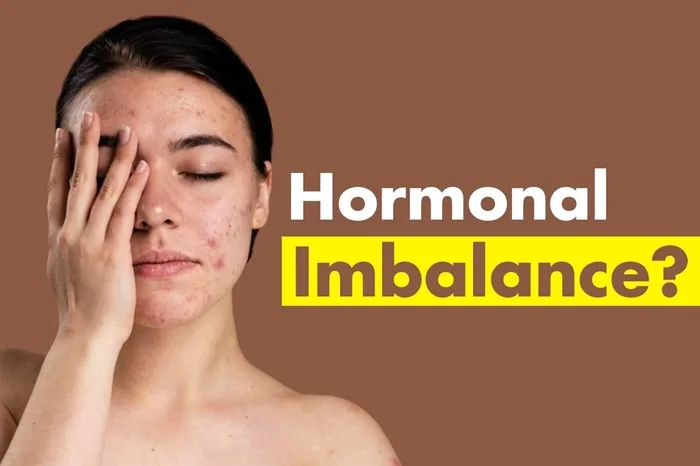
Hormonal imbalance symptoms in women in their 20s and 30s explained by Dr Nitasha Gupta fertility specialist

Why More Women in Their 20s & 30s Are Facing Hormonal Imbalance in 2026

Hormonal imbalance in women has emerged as one of the fastest-growing health concerns in 2026, particularly among women in their 20s and early 30s. Increasingly, women across Zirakpur, Panchkula, Chandigarh, Mohali, Dera Bassi and other parts of India are reporting irregular periods, PCOS symptoms, unexplained weight gain, acne, hair fall, mood changes, and fertility concerns.

According to clinical observations, hormonal imbalance in women is no longer age-restricted. Lifestyle stress, disrupted sleep, insulin resistance, thyroid disorders, and delayed pregnancy planning are now triggering hormonal disturbances much earlier.

In this 2026 expert guide, Dr. Nitasha Gupta, Consultant Gynecologist & IVF Specialist at Kore Fertility Solutions, explains why hormonal imbalance in women is increasing, how it affects fertility, and when medical evaluation becomes essential.

What Is Hormonal Imbalance in Women?

Hormonal imbalance occurs when key reproductive and metabolic hormones such as estrogen, progesterone, insulin, thyroid hormones, and androgens are either produced in excess or deficiency. Even mild imbalance can disrupt the menstrual cycle, ovulation, metabolism, mood, and long-term fertility.

Untreated hormonal imbalance in women can gradually progress into PCOS, infertility, thyroid disorders, diabetes, and pregnancy complications.

Why Hormonal Imbalance Is Rising in Women in Their 20s & 30s

1. Chronic Stress & Cortisol Overload

High stress levels elevate cortisol, which directly interferes with ovulation and progesterone balance, making hormonal imbalance in women increasingly common.

2. PCOS and Insulin Resistance

PCOS is now being diagnosed in women as young as 18–22 years. Insulin resistance strongly contributes to hormonal imbalance, irregular periods, and infertility.

3. Irregular Sleep & Screen Exposure

Poor sleep disrupts melatonin and insulin regulation, worsening hormonal imbalance and menstrual irregularities.

4. Crash Dieting & Nutrient Deficiency

Extreme dieting affects estrogen production and delays ovulation, increasing hormonal imbalance in women.

5. Delayed Pregnancy Planning

While lifestyle timelines have changed, biology has not. Hormonal imbalance becomes more apparent when conception is delayed.

Early Symptoms of Hormonal Imbalance Women Often Ignore

  • Irregular or missed periods
  • Sudden weight gain or difficulty losing weight
  • Adult acne or oily skin
  • Hair fall or facial hair growth
  • Mood swings, anxiety, fatigue
  • Difficulty conceiving

How Hormonal Imbalance Affects Fertility

Hormones control ovulation. When hormonal imbalance persists, ovulation may become irregular or stop completely. This leads to delayed conception and reduced success rates in both natural pregnancy and assisted treatments like IVF.

At Kore Fertility Solutions, early correction of hormonal imbalance has shown significantly improved fertility outcomes.

When Should You Consult a Gynecologist?

You should consult a fertility specialist like Dr. Nitasha Gupta if:

  • Periods remain irregular for more than 3 months
  • You are planning pregnancy with unpredictable cycles
  • PCOS or thyroid symptoms appear early
  • You experience persistent fatigue, mood changes, or weight gain

Trusted Hormonal & Fertility Care in Tricity

Dr. Nitasha Gupta provides ethical, evidence-based hormonal and fertility care for women across Zirakpur, Dhakoli, Panchkula, Chandigarh, Mohali, and Dera Bassi. Her clinical approach focuses on accurate diagnosis, personalised treatment, and long-term reproductive health.

Book a consultation: Schedule an appointment with Dr. Nitasha Gupta

Frequently Asked Questions

Can stress alone cause hormonal imbalance?

Yes. Chronic stress can suppress ovulation and significantly disrupt hormonal balance.

Is hormonal imbalance reversible?

In most cases, hormonal imbalance in women is reversible with early diagnosis and proper medical care.

Does hormonal imbalance always mean PCOS?

No. Thyroid disorders, lifestyle factors, and stress can also cause hormonal imbalance.

When should fertility evaluation begin?

If conception does not occur within 6–12 months or periods are irregular, fertility evaluation is recommended.

For global medical references, see:
World Health Organization (WHO) |
American College of Obstetricians & Gynecologists

Categories
PCOS & Hormonal Disorders

PCOS Symptoms in Women – Causes, Signs & Treatment Options | Best PCOS Doctor in Panchkula

PCOS symptoms in women diagnosis and treatment by best PCOS doctor in Panchkula Chandigarh

PCOS Symptoms in Women – Causes, Signs & Treatment Options

PCOS symptoms in women are now one of the most common gynecological health concerns in India. Nearly 15–22% of women of reproductive age suffer from Polycystic Ovary Syndrome (PCOS). PCOS symptoms in women usually appear as irregular periods, acne, hair fall, weight gain and difficulty conceiving. Early diagnosis and expert treatment can help control PCOS symptoms in women and restore ovulation naturally or via fertility therapies.

Common PCOS Symptoms in Women

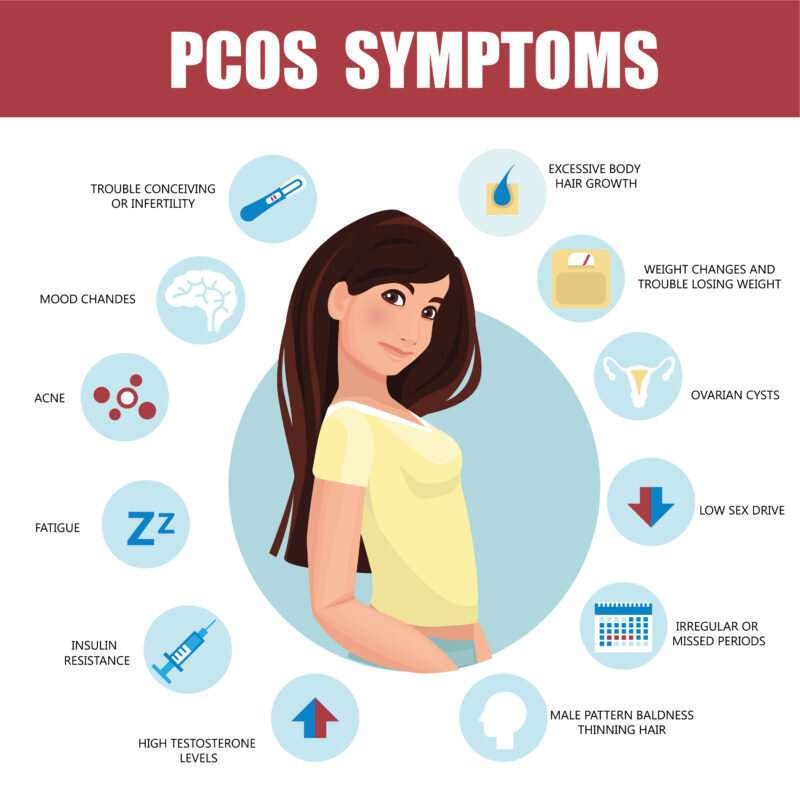
  • Irregular or missed menstrual cycles – a major indicator of PCOS symptoms in women
  • Hormonal acne and oily skin
  • Unwanted facial or body hair growth
  • Hair thinning or scalp hair loss
  • Weight gain or inability to lose weight
  • Dark pigmentation around the neck or underarms
  • Pelvic pain or ovarian cysts detected via ultrasound
  • Difficulty conceiving or repeated IVF failures

Main Causes of PCOS in Women

The most common causes behind PCOS symptoms in women include insulin resistance, hormonal imbalance, lifestyle disorders, obesity, stress, and genetic predisposition.

  • Insulin resistance creating androgen hormone imbalance
  • Genetic factors with family history of PCOS
  • Hormonal disruptions between estrogen & progesterone
  • Sedentary lifestyle increasing weight-related complications

Diagnosis of PCOS

Diagnosis of PCOS symptoms in women includes menstrual history, ultrasound pelvic scan, hormonal blood tests, thyroid screening, insulin testing and lipid profile evaluation.

Best Treatment for PCOS Symptoms in Women

The best management for PCOS symptoms in women depends on fertility goals and age.

Lifestyle Correction

  • Balanced low-carb diet
  • Regular walking & resistance exercise
  • Weight control
  • Stress reduction techniques

Medical Treatment

  • Medicines to regulate cycles
  • Ovulation induction therapy
  • Hormonal medications

Fertility Treatment

  • IUI for mild infertility cases
  • IVF therapy for severe PCOS & ovulation failure
  • Laparoscopic ovarian drilling in resistant PCOS

Best PCOS Doctor in Panchkula & Chandigarh

Women searching for the best PCOS doctor in Panchkula or a trusted PCOS gynecologist in Chandigarh consult
Dr. Nitasha Gupta, an expert Gynecologist & IVF Specialist providing advanced fertility care to women from Panchkula, Mohali, Zirakpur, Chandigarh and Dera Bassi.

View Google Business Profile for clinical appointment

Book Your PCOS Consultation

Early treatment of PCOS symptoms in women significantly increases pregnancy success rates.
Click here to book PCOS appointment now

FAQs – PCOS Symptoms in Women

Is PCOS dangerous?

Untreated PCOS symptoms in women can lead to infertility, diabetes and hormonal disorders but are manageable with treatment.

Can PCOS be cured permanently?

PCOS cannot be cured permanently, but PCOS symptoms in women can be completely controlled with medical and lifestyle therapy.

Can women with PCOS conceive naturally?

Yes — over 80% conceive naturally or with ovulation induction, IUI or IVF support.

Which doctor treats PCOS in Panchkula?

Dr. Nitasha Gupta is a leading PCOS doctor in Panchkula trusted for hormonal regulation and fertility treatment.

Categories
PCOS & Hormonal Disorders

PCOS Symptoms, Diagnosis, and Treatment Options

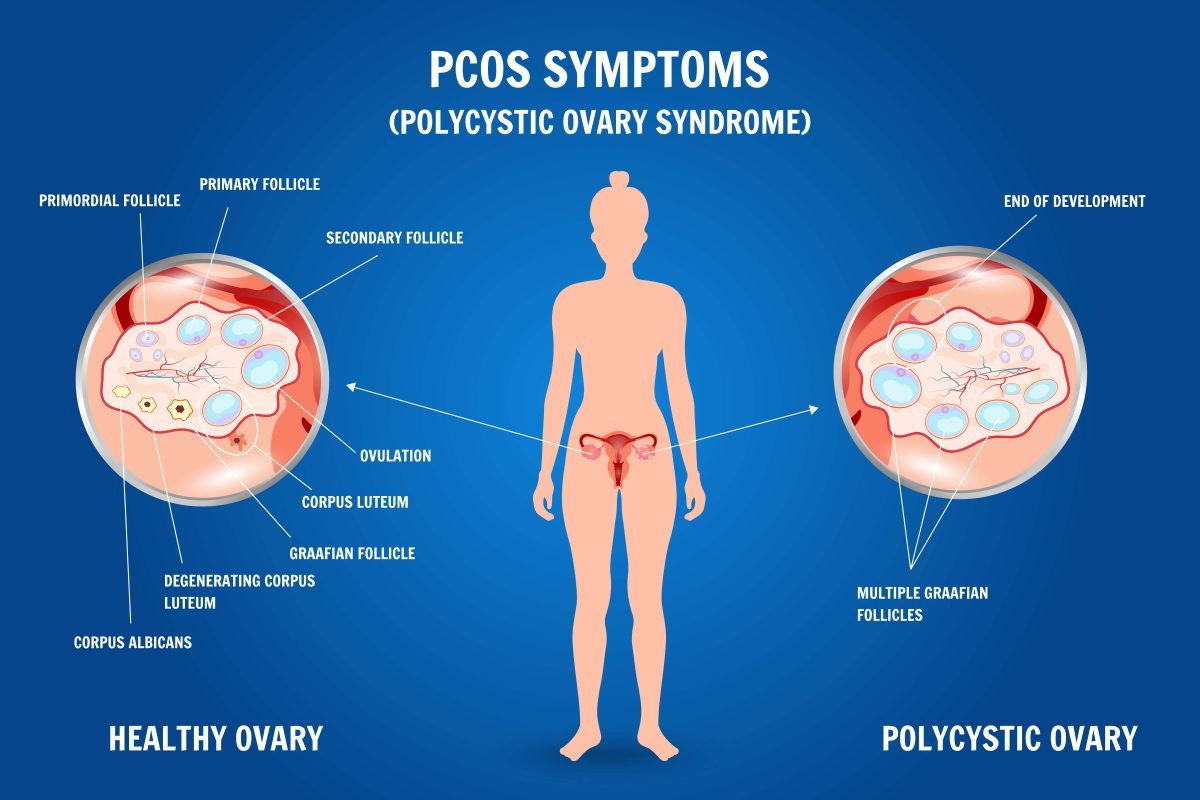
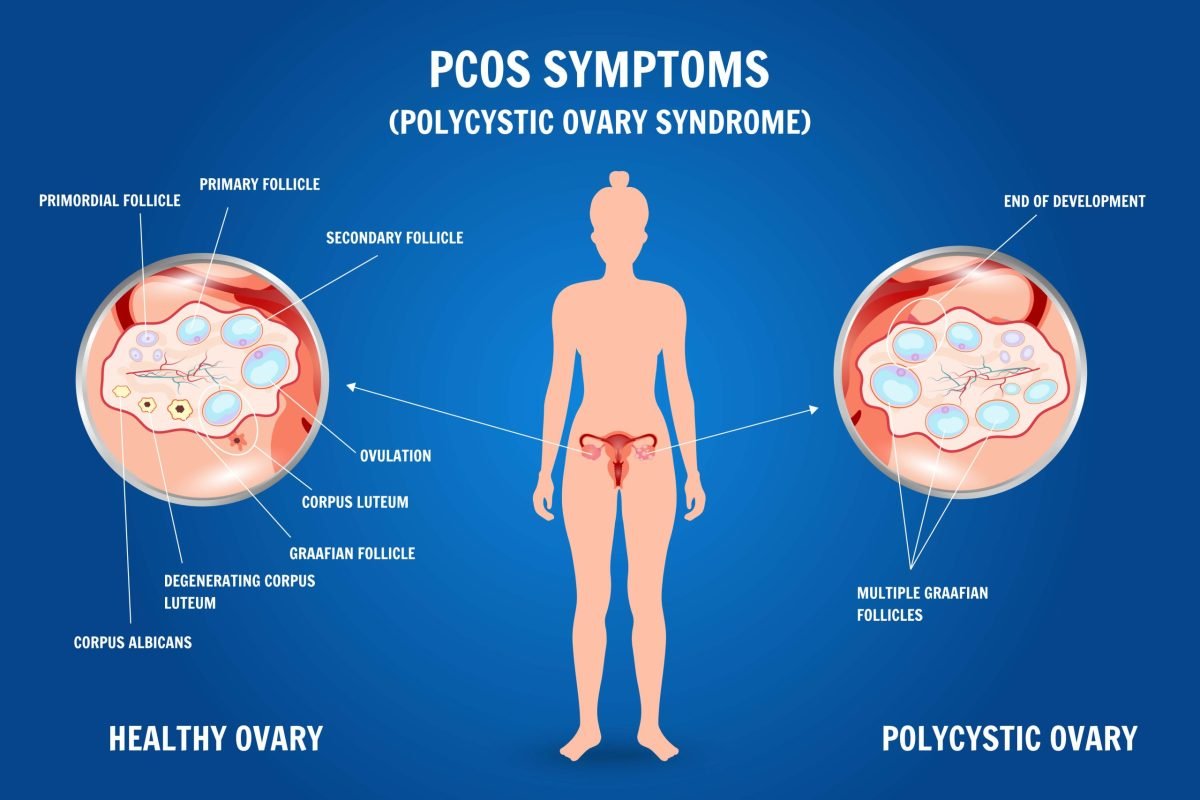
PCOS symptoms illustration showing hormonal imbalance and ovarian changes
Healthy ovary vs polycystic ovary: visual guide to PCOS symptoms and hormonal imbalance.

PCOS Symptoms, Diagnosis, and Treatment Options

Polycystic Ovary Syndrome (PCOS) affects nearly 1 in 10 women of reproductive age, according to the
World Health Organization.
Because PCOS involves significant hormonal imbalance, it can influence menstrual cycles, ovulation, metabolism, weight, and overall fertility.
However, early diagnosis and the right treatment plan can dramatically improve long-term health outcomes.

This expert-backed guide explains PCOS symptoms, diagnosis, and treatment options.
It also includes insights commonly shared by gynecologists and PCOS specialists in Panchkula, Chandigarh, Mohali, and Dera Bassi, ensuring clarity and medical accuracy.

What Is Polycystic Ovary Syndrome (PCOS)?

PCOS occurs when the ovaries produce excessive androgens—hormones normally present in women in small amounts.
Because these elevated hormones disrupt egg development and ovulation, several symptoms begin to appear gradually.

Due to hormonal imbalance, many women notice changes such as:

  • Irregular menstrual cycles
  • Cystic-appearing ovaries
  • Difficulty conceiving
  • Acne and unwanted hair growth
  • Insulin resistance and metabolic issues

Although PCOS is often misunderstood, ovarian cysts are not required for diagnosis.
In fact, PCOS is primarily a hormonal and metabolic condition rather than a structural one.

Common Symptoms of PCOS

Because PCOS affects each woman differently, symptoms can range from mild to severe.

Irregular Periods

Cycles may become longer than 35 days, fewer than eight per year, or absent for months due to irregular ovulation.

Excess Androgen Levels

High androgen levels may lead to:

  • Facial or body hair growth (hirsutism)
  • Severe acne
  • Scalp hair thinning

Polycystic Ovaries

Small, immature follicles line the ovaries, often appearing as a “string of pearls” on ultrasound.

Infertility

Because ovulation becomes irregular, PCOS is one of the most common causes of infertility.
Fortunately, many women conceive with proper ovulation induction or fertility treatments like
IUI or IVF.

Weight Gain & Insulin Resistance

PCOS often causes abdominal weight gain due to insulin resistance.
Over time, this may increase the risk of type 2 diabetes, especially without intervention.

Emotional & Mental Health Symptoms

  • Mood swings
  • Anxiety
  • Depression
  • Disturbed sleep

Diagnosis of PCOS

Diagnosing PCOS requires a combination of medical history, physical examination, and diagnostic testing.
Because symptoms overlap with other hormonal disorders, accurate testing is essential.

1. Medical History Review

Doctors discuss menstrual patterns, skin concerns, hair changes, weight shifts, and family history.

2. Physical Examination

Visible signs such as acne, hair growth, or obesity may indicate hormonal imbalance.

3. Ultrasound

A pelvic ultrasound helps identify enlarged ovaries or multiple small follicles.

4. Blood Tests

Common tests include:

  • Testosterone
  • LH/FSH ratio
  • Fasting insulin
  • Thyroid panel
  • Prolactin

Rotterdam Criteria:

A diagnosis requires 2 out of 3 features:

  1. Irregular ovulation
  2. High androgens
  3. Polycystic ovaries

Treatment Options for PCOS

Although PCOS has no permanent cure, its symptoms can be managed successfully with lifestyle changes, medication, and supportive therapies.
With proper treatment, most women lead completely healthy lives.

Lifestyle Modifications

Healthy Diet: A nutrient-balanced, low-GI diet improves insulin sensitivity. Recommended options include:

  • Whole grains
  • Protein-rich foods
  • Green vegetables and fruits
  • Nuts and seeds
  • Low-glycemic carbohydrates

Regular Exercise: Cardio plus strength training improves insulin response and supports weight control.

Medications

Birth Control Pills: Used to regulate cycles and reduce androgen levels.

Metformin: Helps manage insulin resistance and may regulate ovulation.

Anti-Androgens: Medicines like spironolactone reduce excessive hair growth and acne.

Fertility Medications

For women trying to conceive, doctors may prescribe:

  • Letrozole
  • Clomid (clomiphene)
  • Gonadotropin injections

Hair Removal Treatments

Treatments like laser and electrolysis provide longer-term results for androgen-related hair growth.

Surgical Option: Ovarian Drilling

A laparoscopic procedure that reduces androgen-producing tissue, helping restore ovulation in selected cases.

Mental & Emotional Support

Therapy, mindfulness, and counseling help women manage stress, emotional fluctuations, and sleep disturbances caused by PCOS.

When to Consult a PCOS Specialist in Panchkula, Chandigarh, or Mohali

  • Irregular or absent periods
  • Unwanted facial or body hair
  • Severe acne
  • Rapid weight gain
  • Fertility difficulties
  • Signs of hormonal imbalance

Conclusion

PCOS is a multifaceted hormonal and metabolic disorder, yet it is highly manageable with timely evaluation and the right treatment plan.
Because early lifestyle changes and proper medications significantly reduce long-term risks, consulting an experienced gynecologist is essential.

If you’re experiencing symptoms such as irregular cycles, acne, weight gain, or fertility challenges, book a consultation with a
PCOS specialist in Panchkula, Chandigarh, or Mohali
for personalized and effective treatment.

Frequently Asked Questions (FAQs)

Q1. Can PCOS be cured?

No. Although PCOS cannot be permanently cured, its symptoms can be effectively managed.

Q2. Does PCOS always cause infertility?

No. Many women conceive naturally or with the help of fertility treatments.

Q3. Should every woman with PCOS get an ultrasound?

Not always. Diagnosis depends on symptoms, blood tests, and clinical patterns.

Q4. Can lean women have PCOS?

Yes. Thin women can also experience hormonal imbalance and irregular ovulation.

Q5. Is PCOS genetic?

Yes. Family history often increases the risk.

Q6. Does PCOS increase diabetes risk?

Yes. Insulin resistance makes women more prone to type 2 diabetes.

Latest Blog

Know more about fertility and other fertility problems. We have the solution

FAQ Section

Read all the FAQ's and other general questions if you have.

Emergency Case

If you have an emergency call us or drop us an email, We will get back to you asap.

All Rights Reserved - Dr. Nitasha Gupta © 2025