




Why Periods Are Getting More Painful in Women Aged 20–35 (2026 Medical Explanation)
If your periods feel more painful now than they were a few years ago, you are not imagining it.
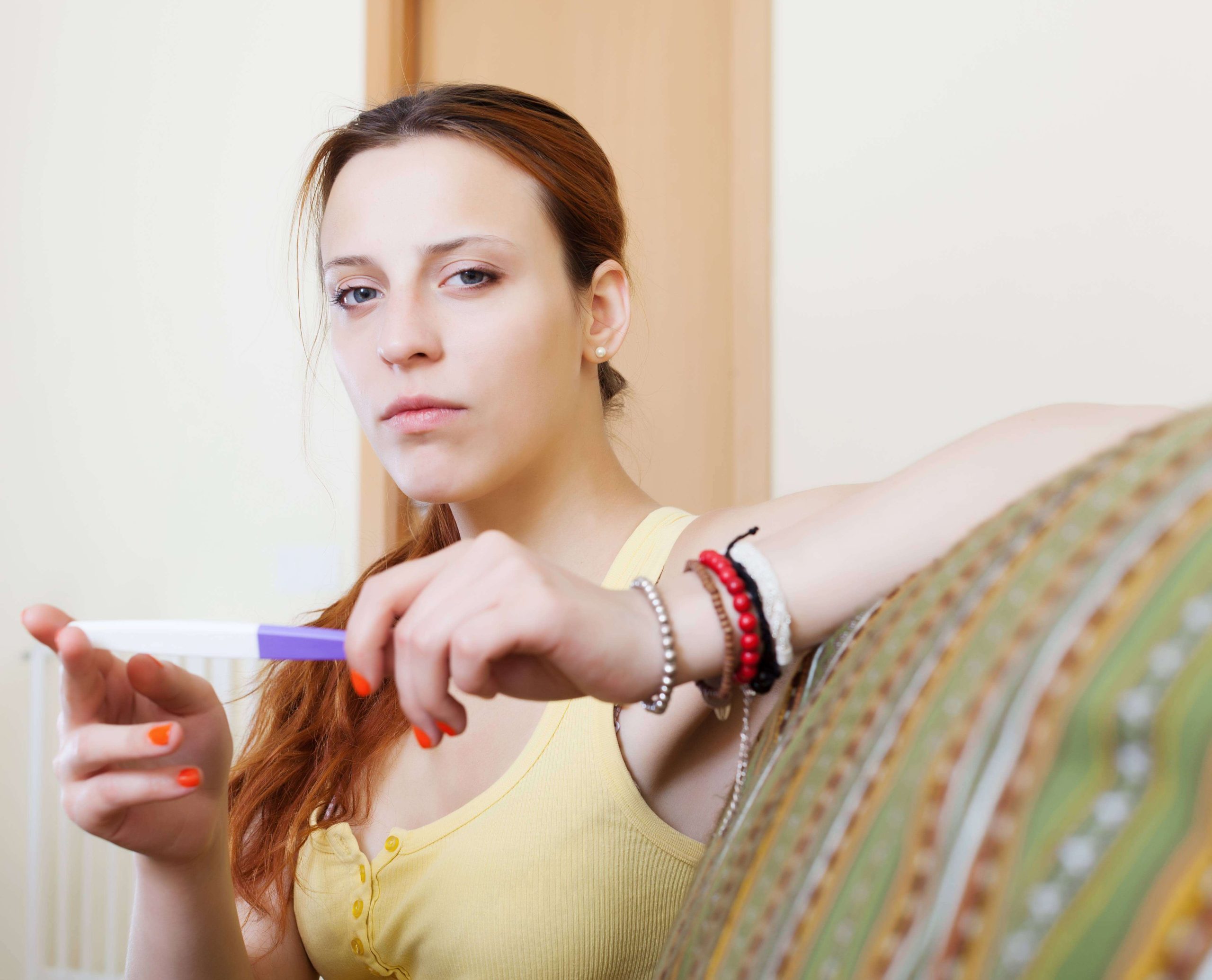
In 2026, gynecologists are observing a sharp rise in severe period pain among women aged 20–35 — even in those who previously had normal menstrual cycles.
Women commonly search:
- Why are my periods suddenly so painful?
- Is severe period pain normal in my 20s?
- Why did my cramps get worse after 25?
This article explains the medical reasons behind worsening menstrual pain, conditions that are often missed, and when period pain is not normal.
Why Period Pain Is Increasing in Women Aged 20–35
1. Hormonal Imbalance
Modern lifestyle factors have significantly altered hormone patterns. Chronic stress, irregular sleep, poor diet, and estrogen dominance can cause stronger uterine contractions, leading to intense menstrual cramps.
2. Delayed Diagnosis of Endometriosis
Endometriosis is one of the most underdiagnosed causes of worsening period pain. Symptoms often worsen gradually and are dismissed as “normal cramps,” delaying diagnosis by several years.
3. PCOS With Regular Periods
Many women believe PCOS only causes irregular cycles. In reality, a pain-dominant PCOS variant exists where periods remain regular but inflammation and hormonal imbalance increase pain.
4. Chronic Inflammation
Exposure to endocrine disruptors, microplastics, gut imbalance, and poor metabolic health increases prostaglandins — chemicals responsible for uterine contractions and pain.
5. Pelvic Muscle Tension
Long sitting hours, weak core muscles, and pelvic floor tightness reduce blood flow during menstruation, intensifying cramps.
When Period Pain Is NOT Normal
Seek medical evaluation if you experience:
- Period pain that worsens every year
- Pain that interferes with work or daily life
- Vomiting, fainting, or severe fatigue during periods
- Pain before bleeding begins
- Pain during intercourse
Medical Conditions Linked to Severe Period Pain
- Endometriosis
- Adenomyosis
- Hormonal imbalance
- PCOS
- Fibroids
Why Expert Evaluation Matters
Severe menstrual pain should not be managed with painkillers alone. A proper assessment may include hormonal testing, ultrasound evaluation, and individualized treatment.
Dr. Nitasha Gupta, Gynecologist & IVF Specialist, follows an evidence-based, patient-first approach to identify the root cause of painful periods in women aged 20–35.
Learn more about Dr. Nitasha Gupta →
Can Painful Periods Be Treated?
Yes. Most cases respond well to:
- Hormonal regulation
- Anti-inflammatory treatment
- Lifestyle and nutritional correction
- Targeted gynecological care
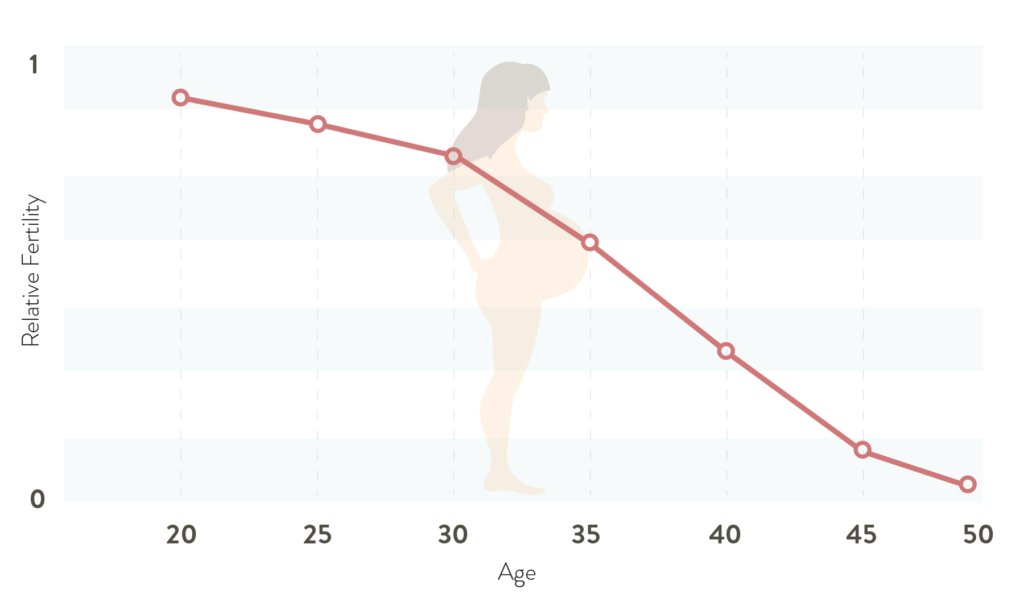
Early diagnosis helps reduce pain and protects long-term fertility.
Frequently Asked Questions (2026)
Why are my periods more painful in my late 20s?
Hormonal changes, inflammation, and undiagnosed conditions like endometriosis commonly appear during this age group.
Is severe period pain normal?
No. Severe or worsening pain is a medical warning sign.
Can painful periods affect fertility?
Yes. Conditions causing severe pain can also impact fertility if untreated.
Should I consult a doctor if scans are normal?
Yes. Many causes of menstrual pain do not appear on routine scans.
Final Takeaway
Periods getting more painful in women aged 20–35 is a real medical trend in 2026. It should not be ignored or normalized.
Early medical guidance can reduce pain, protect fertility, and improve overall reproductive health.
Book a Consultation
Dr. Nitasha Gupta – Gynecologist & IVF Specialist
Serving Chandigarh, Panchkula, Mohali, Zirakpur & Tricity