



Categories
Women’s Wellness

Obesity and Pregnancy: Weight Gain & Risks Guide (2026)

Obesity and Pregnancy: Understanding Weight Gain

Obesity and Pregnancy Weight Gain Guide

Pregnancy is a transformative experience, but for women living with obesity, it may come with added health considerations. Carrying excess body weight can increase potential risks for both mother and baby, including effects on blood pressure, metabolism, labour, and delivery outcomes.

Understanding how obesity impacts pregnancy helps expectant parents approach this journey safely, confidently, and with the guidance needed to protect both maternal and fetal wellbeing.

Understanding Obesity in Pregnancy

The World Health Organization (WHO) defines obesity as a body mass index (BMI) of 30 or above. BMI is calculated using height and weight and applies to pregnant individuals the same way as it does to the general population.

BMI Weight Categories

  • Below 18.5: Underweight
  • 18.5 – 24.9: Healthy weight
  • 25 – 29.9: Overweight
  • 30 or higher: Obesity

Obesity during pregnancy increases the risk of conditions such as gestational diabetes, pregnancy-related blood pressure disorders, preeclampsia, and fertility challenges prior to conception.

Globally, approximately 6–7% of pregnancies occur in women with obesity. Medical monitoring and healthy weight management help lower risks and support positive outcomes.

How Does Being Overweight Affect Pregnancy?

Maternal Risks

  • Gestational diabetes
  • Preeclampsia and high blood pressure
  • Increased miscarriage risk
  • Venous blood clots
  • Breathing difficulties
  • Obstructive sleep apnea

Fetal and Neonatal Risks

  • Stillbirth or miscarriage
  • Neural tube defects and congenital heart conditions
  • High birth weight (macrosomia)
  • Growth restriction
  • Childhood asthma & obesity
  • Learning and developmental delays

Labour and Delivery Risks

Longer Labour

Excess adipose tissue can slow labour progress and limit effective monitoring of contractions.

Difficult Induction

Medical inductions are more common and may take longer or lead to operative delivery.

Challenges with Anaesthesia

Epidural placement is often technically more complex due to tissue depth.

Higher Caesarean Section Risk

Emergency C-sections and assisted vaginal deliveries occur more frequently.

Bleeding & Healing Problems

Postpartum hemorrhage and delayed wound healing are higher risks.

Managing Healthy Weight During Pregnancy

  • Pre-conception medical consultation when BMI ≥30
  • Balanced diet with fruits, vegetables, lean protein & whole grains
  • Safe physical activity (walking, swimming, prenatal yoga)
  • Avoid smoking, alcohol, and unverified supplements
  • Maintain scheduled prenatal checkups
  • Mental health care to support healthy daily habits

Guidance from experienced providers like Dr. Nitasha Gupta ensures weight management practices are both safe and individualized.

Frequently Asked Questions

Can overweight women get pregnant?

Yes, many do conceive naturally. However, conception may take longer and requires careful prenatal monitoring.

Is it unsafe to be obese while pregnant?

Obesity does increase pregnancy risks, but appropriate medical care helps many women safely deliver healthy babies.

Should I lose weight during pregnancy?

Active weight loss is discouraged during pregnancy. Instead, aim to manage steady, healthy gain as guided by your doctor.

How much weight should obese women gain?

For singleton pregnancies, recommended weight gain is approximately 5–9 kg. For twins, about 11–19 kg.

How much weight is lost after birth?

Initial loss of 5–6 kg occurs naturally after delivery. Further weight loss happens gradually postpartum.

What BMI is considered concerning?

A BMI over 30 raises risk but does not prevent pregnancy. Medical consultation helps prepare safely.

Professional Support

Learn more about pregnancy wellness care through Dr Nitasha Gupta’s team:


IVF & Women’s Health Centre – Dhakoli

WHO guidelines on maternal obesity:

World Health Organization

ACOG pregnancy health standards:

ACOG Guidelines

Need Pregnancy Guidance?

For private prenatal or fertility consultation under expert gynecological care, contact:

Book Consultation


Categories
Women’s Wellness

Menstrual Hygiene: Zero Waste Period Guide (2026) | LaBella

Menstrual Hygiene: Your Guide to Sustainable, Zero-Waste Periods

Menstrual Hygiene Sustainable Zero Waste Periods

Menstrual hygiene remains a significant women’s health topic across India. Although awareness has grown, many women and adolescent girls still lack access to safe information and sustainable menstrual care choices.

This guide explores how adopting zero-waste period practices can improve personal wellbeing while significantly reducing environmental impact — empowering women to approach menstruation with comfort, dignity, and confidence.

What Is Menstrual Health & Hygiene?

Menstrual hygiene concerns all practices that promote cleanliness and infection prevention during menstruation. This includes washing the genital area safely, changing products frequently, managing waste properly, and selecting suitable menstrual products.

Menstrual health also reflects emotional and social wellbeing — comfort, confidence, freedom of movement, and the ability to lead daily life without limitation.

Health Effects of Poor Menstrual Hygiene

Physical impacts include:

  • Skin rashes and irritation from prolonged use of damp materials.
  • Urinary tract infections (UTIs) causing pain and frequent urination.
  • Reproductive tract infections that may progress to pelvic inflammatory disease.
  • Rare but serious toxic shock syndrome when products remain unchanged too long.
  • Long-term cervical health risks.

Mental and emotional impacts include:

  • Shame, anxiety, and lowered self-confidence.
  • Social withdrawal from school, work, or public activities.
  • Increased emotional stress due to stigma.

Types of Menstrual Hygiene Products

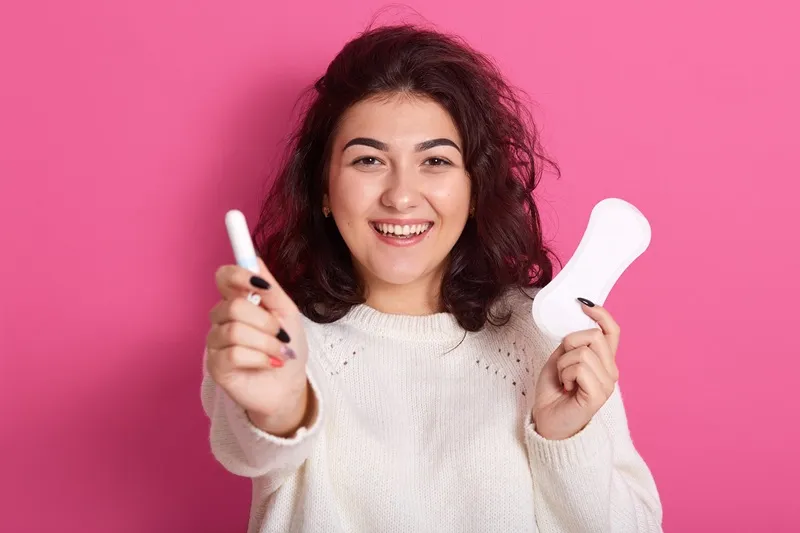
Disposable Sanitary Pads

Convenient but responsible for the majority of menstrual plastic waste. Must be changed every 4–6 hours.

Tampons

Absorb internally. Require frequent changing (4–6 hours) to prevent TSS and environmental waste buildup.

Reusable Cloth Pads

Washable pads that may be reused up to 60 times when cleaned properly.

Menstrual Cups

Medical-grade silicone cups that last up to 10 years, collect more flow than pads, and generate minimal waste.

Period Panties

Reusable absorbent underwear suited for light-to-moderate flow days.

The Importance of Menstrual Hygiene

  • Prevents infections and skin problems
  • Supports emotional confidence
  • Enables school, career, and social participation
  • Protects reproductive health
  • Promotes bodily autonomy awareness

Causes of Poor Menstrual Hygiene in India

  • Limited access to affordable products
  • Lack of private sanitation facilities
  • Inadequate menstrual education
  • Stigma preventing open discussion
  • Financial dependence

Menstrual Hygiene Management (MHM)

MHM combines education, product access, and sanitary infrastructure to ensure menstruation is managed safely and with dignity.

  • Change products every 4–6 hours
  • Wash hands before & after each change
  • Dry reusable items in sunlight
  • Dispose non-biodegradable waste responsibly
  • Encourage menstrual awareness discussions
  • Seek medical advice for abnormal symptoms

Benefits of Sustainable Period Care

  • Reduced plastic waste and pollution
  • Long-term financial savings
  • Lower exposure to synthetic chemicals
  • Greater independence and preparedness
  • Eco-responsible consumption habits

Tips for Adopting Zero-Waste Periods

  • Transition gradually — trial cups or cloth pads first.
  • Track personal comfort & hygiene consistently.
  • Use breathable pouches for storing products.
  • Wash reusable items with fragrance-free soap.
  • Air-dry items in sunlight whenever possible.
  • Prepare kits for school or work needs.
  • Follow correct local disposal policies.

Sustainable Menstrual Product Options

  • Menstrual Cups: Last up to 10 years.
  • Cloth Pads: Washable for 2–4 years.
  • Period Panties: Ideal for light-flow days.

Frequently Asked Questions

Are menstrual cups safe?

Yes — when used correctly and sanitized as per guidelines, cups are safe and medically approved for most users.

Can teenagers use menstrual cups?

Yes, with medical guidance and personal comfort assessment.

Are reusable pads hygienic?

They remain safe when washed thoroughly and dried completely before reuse.

What is the cleanest period option?

Menstrual cups are widely considered the cleanest and most sustainable option when maintained properly.

Trusted Guidance

At Dr. Nitasha Gupta’s clinic, we support women’s wellness education alongside medical care.

Find fertility and women’s wellness services at our IVF Centre in Dhakoli.

International menstrual guidance references:

World Health Organization

UNFPA – Menstrual Health

Need Personal Guidance?

For menstrual health consultations or women’s wellness support under
Dr. Nitasha Gupta, contact:


Book Your Confidential Appointment


Categories
Women’s Wellness

6 Signs Your Daughter Is About to Start Her Period (2026)

6 Signs Your Daughter Is About to Start Her Period

Signs Your Daughter Is About to Start Her Period

Puberty is a time of major physical and emotional change for young girls. One of the most significant milestones is menarche—the first menstrual period. It marks the beginning of reproductive maturity and is an important stage of natural development.

Understanding early signs can help parents provide emotional reassurance and practical preparation so that menstruation is not viewed with fear or confusion.


What Is Menarche?

Menarche is the medical term for a girl’s first menstrual cycle. It signals the activation of the hormonal system that regulates ovulation and uterine lining changes.

Each month, the uterus builds a lining to support potential pregnancy. If fertilisation does not occur, this lining sheds as menstrual bleeding.

At What Age Do Periods Usually Start?

In India, most girls experience their first period between 9 and 15 years of age. The average age is between 12 and 13 years, influenced by genetics, nutrition, body development, and environmental factors.

6 Signs Your Daughter Is About to Start Her Period

1. Breast Development (Thelarche)

Breast budding is typically the first noticeable sign of puberty and indicates hormonal maturity has begun.

2. Growth of Pubic & Underarm Hair

Hair growth usually begins one to two years before the first menstrual cycle.

3. Mood Swings

Hormonal changes may cause emotional sensitivity, irritability, or anxiety. These mood changes are a normal puberty response.

4. Increased Vaginal Discharge

Clear or whitish discharge often becomes noticeable months before menstruation and is a normal sign of hormonal changes.

5. Bloating or Mild Cramps

Some girls experience back pain, bloating, or abdominal cramps as the reproductive organs prepare for cycle activation.

6. Growth Spurts

Rapid height and body changes frequently occur shortly before menarche.

How to Prepare Your Child for Her First Period

Have open conversations

Early, calm discussions help your daughter understand periods as a healthy natural process rather than something to fear.

Provide practical guidance

Discuss menstrual products and hygiene habits. Prepare a small period kit she can carry confidently.

Validate emotions

Reassure her that mood changes or anxiety are normal and that support is always available.

Encourage healthy habits

Teach pad changes, cleanliness, breathable clothing, and safe disposal methods to prevent infection.

When Should You Consult a Doctor?

Medical advice may be needed if:

  • Periods start much earlier or much later than peers.
  • Bleeding is excessive or painful.
  • Menstrual cycles appear very irregular.
  • Other concerns exist such as excessive hair growth, severe acne, or emotional distress.

Conclusion

Menarche is a healthy milestone in adolescent development. Knowing the warning signs allows parents to provide confidence and reassurance at the right time. With education and emotional support, a girl’s first period can become a positive step toward womanhood rather than a frightening experience.

Professional Guidance

For trusted assistance regarding puberty growth or women’s wellness under the guidance of Dr. Nitasha Gupta, book a confidential consultation.

Book Online Appointment


Categories
Women’s Wellness

What Is Cosmetic Gynecology? 2026 Guide | LaBella Dhakoli

What Is Cosmetic Gynecology? – Complete Beginner’s Guide (2026)

By LaBella – Gynaec Cosmetic Center in Dhakoli
Medically reviewed by Dr. Nitasha Gupta

What Is Cosmetic Gynecology – LaBella Dhakoli Guide


2026 – A New Era of Women’s Intimate Health

In 2026, women’s healthcare has evolved far beyond treating illness alone. Across Dhakoli, Zirakpur, Chandigarh, Panchkula and surrounding regions, women are seeking medical guidance not only for survival, but for comfort, confidence, and dignity.

Many concerns once kept silent — post-pregnancy changes, age-related dryness, bladder leakage, or intimate discomfort — are now openly discussed. This transition has led to the growth of a dedicated medical specialty called Cosmetic Gynecology.


Understanding the Basics — What Is Cosmetic Gynecology?

Cosmetic gynecology is a medical subspecialty focused on improving the comfort, function, natural appearance, and emotional confidence of the vaginal and vulvar region using safe, approved medical practices.

It addresses changes related to:

  • Childbirth and postpartum recovery
  • Natural aging
  • Hormonal transitions such as menopause
  • Anatomical variations and lifestyle demands

The goal is balanced wellness — supporting both physical comfort and emotional well-being.


Why Cosmetic Gynecology Matters in 2026

Women today lead active personal and professional lives. Increased awareness and medical access mean that discomfort is no longer something to accept quietly.

Cosmetic gynecology provides solutions for:

  • Vaginal laxity after childbirth
  • Dryness or sensitivity changes
  • Mild stress urinary incontinence
  • Discomfort during physical activities
  • Confidence concerns related to body changes

Treatments are guided medically — without unrealistic promises or unnecessary interventions.


Who Can Consider Cosmetic Gynecology?

Cosmetic gynecology is optional, but any adult woman experiencing discomfort or emotional concern has the right to seek professional guidance.

Women commonly seek consultation for:

  • Post-delivery tissue changes
  • Menopausal dryness or weakness
  • Physical discomfort during daily activities
  • Cosmetic or symmetry concerns
  • Psychological stress related to intimate health

How Does a Consultation Work?

Modern consultations focus on compassion, confidentiality, and patient choice.

The gynecologist begins with discussion, listens carefully, reviews health history, and proceeds to examination only if medically necessary. No treatment is forced. Each woman decides after understanding available options clearly.


Is Cosmetic Gynecology Always Surgical?

No. Most cosmetic gynecology treatments in 2026 are non-surgical, including laser rejuvenation and regenerative therapies that require no recovery downtime.

Surgical procedures are recommended only when clearly beneficial and are planned with medical precision.

Each treatment plan is uniquely tailored.


Is This About Beauty Alone?

No. Cosmetic gynecology is primarily about restoring comfort and function — not cosmetic vanity.

Simple daily actions such as walking, sitting, exercising, or intimacy should never feel uncomfortable. Addressing physical discomfort supports emotional wellbeing and self-confidence.


Benefits of Gynec Aesthetic Care

  • Improved everyday physical comfort
  • Enhanced bladder support
  • Better tissue hydration and tone
  • Increased confidence and emotional wellbeing
  • Improved quality of life

Trusted Care at LaBella – Dhakoli

At LaBella – Gynaec Cosmetic Center in Dhakoli, all consultations and treatments are provided under the specialized care of Dr. Nitasha Gupta.

Women across Dhakoli, Zirakpur, Chandigarh, Panchkula, Mohali and nearby locations trust LaBella for ethical care, transparency, modern technology and patient-first wellness practices.


Frequently Asked Questions

Is cosmetic gynecology safe?

Yes. When performed by certified gynecologists using internationally accepted medical protocols, cosmetic gynecology is considered safe.

Is laser vaginal rejuvenation painful?

The procedure usually causes only mild warmth and does not require hospital admission or downtime.

Is surgery always necessary?

No. Most women achieve results from non-surgical treatments alone.

Are consultations private?

Yes. All consultations are strictly confidential.


Book Your Private Consultation

For safe, confidential guidance at the most trusted Gynaec Cosmetic Center in Dhakoli, contact today.

Book Online Appointment


Categories
PCOS & Hormonal Disorders Women’s Wellness

Gynaec Cosmetic Center in Dhakoli | Laser & Rejuvenation – LaBella

LaBella – Leading Gynaec Cosmetic Center in Dhakoli for Laser & Intimate Care

Gynaec Cosmetic Center in Dhakoli LaBella Cosgyn clinic

LaBella Cosgyn is a dedicated Gynaec Cosmetic Center in Dhakoli operating under expert guidance of Dr. Nitasha Gupta. The clinic provides ethical, confidential and evidence-based cosmetic gynecology treatments to women across Dhakoli, Zirakpur, Chandigarh, Panchkula, Mohali, and Dera Bassi.

Cosmetic Gynecology—also known as Female Cosmetic Genital Surgery (FCGS)—addresses both functional and aesthetic concerns of the vaginal and vulval region that may arise due to childbirth, aging, hormonal changes, or health conditions. These treatments aim to improve tissue tone, hydration, comfort, and overall intimate wellness when performed responsibly under qualified gynecologists.


Why Choose LaBella – The Trusted Gynaec Cosmetic Center in Dhakoli

  • All procedures performed by certified gynecologists only
  • Complete privacy and strict confidentiality
  • International safety protocols followed
  • Advanced laser and regenerative technology
  • Personalized consultation and treatment planning
  • Serving the entire Tricity region for women’s intimate wellness

Cosmetic Gynecology Treatments at LaBella Cosgyn

Laser Vaginal Tightening & Rejuvenation

Laser vaginal rejuvenation is a safe, non-surgical therapy that stimulates collagen production to improve vaginal elasticity, hydration, and tone. It can help women experiencing vaginal looseness, dryness, or mild urinary leakage following childbirth or menopause.

Laser Treatment for Stress Urinary Incontinence (SUI)

Laser procedures assist in strengthening pelvic tissues to support bladder control for women experiencing mild to moderate stress urinary incontinence caused by aging, childbirth, or hormonal fluctuation.

Hymenoplasty

Hymenoplasty involves the careful reconstruction of the hymen and is conducted under confidential medical counseling following a comprehensive gynecological evaluation.

Labiaplasty

Labiaplasty helps reshape or reduce enlarged labia that may cause discomfort or personal concern. Techniques are individually selected after professional examination.

Vaginoplasty

Vaginoplasty strengthens vaginal muscles that weaken naturally due to aging or childbirth. The approach is customized to each patient’s pelvic condition.

Clitoral Hood Reduction

This cosmetic surgical procedure removes excess tissue covering the clitoris to improve comfort and sensitivity while fully preserving nerve function.

G-Shot / O-Shot Therapy

Regenerative PRP-based treatments use the patient’s own plasma to support tissue revitalization and sexual wellness under strict medical safety guidelines.


Benefits of Cosmetic Gynecology

  • Enhanced vaginal comfort and appearance
  • Improved tissue hydration and elasticity
  • Strengthened bladder control
  • Improved sexual wellness
  • Boosted confidence and quality of life

Medical Safety & Ethical Standards

At our Gynaec Cosmetic Center in Dhakoli, patient safety is the highest priority. Each individual consultation includes a detailed explanation of benefits, recovery periods, possible risks, and realistic outcomes. Treatments align with ethical recommendations from:


Expert Care under Dr. Nitasha Gupta

Led by Dr. Nitasha Gupta, women seeking a dependable cosmetic gynecologist in Chandigarh, a reputed hymenoplasty clinic near Zirakpur, or a laser vaginal tightening center in Dhakoli trust LaBella Cosgyn for medically sound and patient-focused care.


Frequently Asked Questions

What does a cosmetic gynecologist do?

A cosmetic gynecologist treats vaginal functional concerns and aesthetic conditions using procedures such as laser rejuvenation, labiaplasty, vaginoplasty, and hymenoplasty.

What is gynec aesthetic treatment?

Gynec aesthetic treatment refers to non-surgical or surgical therapies used to revitalise vaginal tissues to support wellness, comfort, and confidence.

Is cosmetic gynecology safe?

When performed by certified gynecologists using approved medical protocols, cosmetic gynecology is considered medically safe.

Is laser vaginal rejuvenation painful?

Laser rejuvenation is typically painless and causes mild warmth only, with no hospital admission or downtime required.


Explore More

Book Your Confidential Consultation

For safe and professional intimate wellness care at the most trusted Gynaec Cosmetic Center in Dhakoli, contact today.


Categories
Infertility Insights

Low Sperm Count Treatment in Panchkula & Zirakpur | Dr Nitasha Gupta

Low sperm count treatment in Panchkula and Zirakpur by Dr. Nitasha Gupta – male infertility specialist
Low sperm count diagnosis and fertility treatment for men in Panchkula & Zirakpur – Kore Fertility Solutions.


Low Sperm Count Treatment in Panchkula & Zirakpur

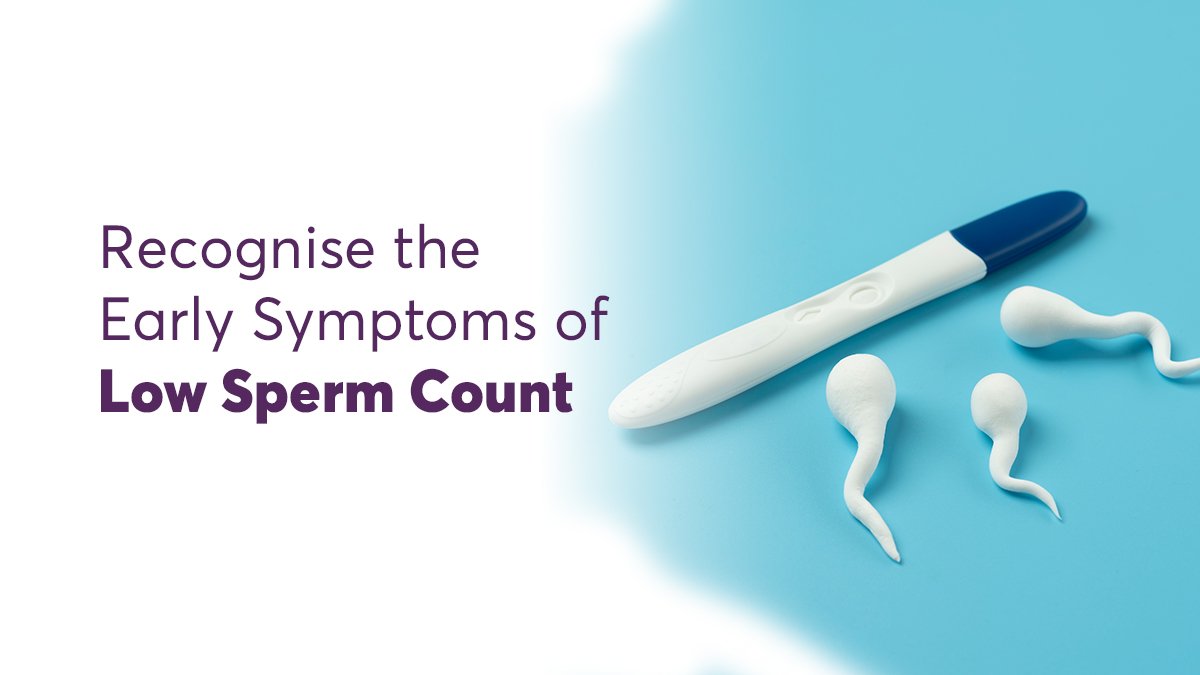
Low sperm count, medically known as oligospermia, is one of the leading causes of
male infertility in Panchkula, Zirakpur, Chandigarh and Tricity. When semen contains fewer than
15 million sperm per millilitre, natural conception becomes harder — but pregnancy is still very possible with
modern fertility treatment.

Under the expert guidance of Dr. Nitasha Gupta – Consultant Gynecologist & IVF Specialist,
Kore Fertility Solutions provides comprehensive diagnosis and personalised fertility care for couples facing
male infertility challenges.

✅ Common Causes of Low Sperm Count

  • Smoking, alcohol and substance use
  • Poor nutrition or obesity
  • Varicocele (enlarged scrotal veins)
  • Hormonal imbalance
  • Past infections or fever episodes
  • Heat or chemical occupational exposure
  • Chronic stress and sleep deficiency

✅ Diagnosis – Semen Analysis in Zirakpur

The cornerstone investigation is a detailed semen analysis. Our evaluation includes:

  • Repeat semen testing
  • Hormonal profile (FSH, LH, Testosterone)
  • Scrotal ultrasound
  • Varicocele assessment
  • Genetic screening if clinically required

✅ Treatment Options

Lifestyle Treatment

  • Smoking and alcohol cessation
  • Diet and weight management
  • Prescription antioxidant therapy
  • Testicular heat protection

Medical & Surgical Treatment

  • Hormonal therapy correction
  • Infection treatment
  • Varicocele microsurgery

Advanced Fertility Treatments

  • IUI – for mild oligospermia
  • IVF – when multiple infertility factors are present
  • ICSI – single sperm injection for very low sperm counts

✅ 90-Day Natural Sperm Improvement Plan

  1. Stop smoking and alcohol completely
  2. Follow a high-protein Mediterranean diet
  3. Exercise 30 minutes daily
  4. Take Zinc, Vitamin D and CoQ10 supplements (doctor guided)
  5. Sleep 7–8 hours nightly and manage stress

✅ FAQs – Male Infertility in Panchkula & Zirakpur

Can low sperm count be cured?
Yes. Many men improve with appropriate lifestyle changes, medications or surgery.
What treatment is best for severe low sperm count?
ICSI IVF provides the highest pregnancy success rates.
Where can semen analysis be done in Zirakpur?
At Kore Fertility Solutions, Dhakoli near Zirakpur.
How long before improvement occurs?
Typically within 3 months — the natural sperm production cycle.

Book Male Fertility Consultation

Phone: +91 99883 09211
Email: info@drnitashagupta.com


Book Appointment with Dr. Nitasha Gupta

Medical Disclaimer: Educational content only. Does not replace personal medical consultation.

© Dr. Nitasha Gupta – Consultant Gynecologist & IVF Specialist | Zirakpur • Panchkula • Tricity

Categories
Infertility Insights

Male Infertility in Panchkula — Symptoms, Tests & Treatment Options | Kore Fertility

Male infertility tests and consultation at Kore Fertility Centre in Panchkula
Male infertility in Panchkula — symptoms, diagnostic tests and modern treatment options at Kore Fertility Centre.

Male Infertility in Panchkula – Symptoms, Tests & Treatment Options

Male infertility in Panchkula is an increasingly searched topic as couples seek timely, evidence-based evaluation and treatment. Understanding the common symptoms of male infertility, the essential diagnostic tests, and the most effective treatment options helps men and couples take the right steps toward conception. If you are searching for a reliable infertility specialist in Panchkula or a dedicated male infertility doctor in Panchkula, this guide explains what to expect and when to seek specialist care.

1. What is Male Infertility?

Male infertility refers to a man’s reduced ability to cause pregnancy in a fertile female partner. It can result from problems with sperm production, sperm function, or delivery. In the Panchkula and surrounding Tricity region, early evaluation at a specialised fertility centre significantly improves outcomes.

2. Common Symptoms & Warning Signs

  • Difficulty conceiving after 12 months of regular, unprotected intercourse (6 months if female partner is over 35).
  • Abnormal ejaculations (reduced volume, painful ejaculation, or absence of ejaculation).
  • Changes in sexual function such as decreased libido or erectile dysfunction.
  • Visible testicular issues — swelling, lumps, small or soft testes, or history of testicular trauma.
  • Hormonal symptoms — hair loss, fatigue, or gynecomastia suggestive of endocrine imbalance.

3. Key Diagnostic Tests for Male Infertility

Accurate diagnosis is the first step. Leading male infertility doctors in Panchkula use a stepwise approach:

  • Semen analysis (volume, count, motility, morphology) — cornerstone of male fertility testing.
  • Repeat semen tests to confirm results and account for natural variability.
  • Hormonal profile — FSH, LH, testosterone, prolactin, TSH to assess endocrine causes.
  • Scrotal ultrasound to detect varicocele, testicular lesions, or structural abnormalities.
  • Advanced sperm function tests (DNA fragmentation, oxidative stress) when standard tests are normal but conception fails.
  • Genetic testing where indicated (karyotype, Y-chromosome microdeletions) for severe oligospermia or azoospermia.

4. Evidence-Based Treatment Options

Treatment is tailored to cause and severity. Modern fertility centres near Panchkula offer:

  • Lifestyle intervention & optimization — weight reduction, smoking/alcohol cessation, nutrition and stress management improves sperm quality.
  • Medical therapy — hormonal treatments for specific endocrine disorders; antibiotics for proven infections.
  • Varicocele repair — microsurgical correction for clinically significant varicoceles linked to poor semen parameters.
  • Assisted reproductive technologies (ART) — IUI, IVF, and ICSI. In male factor infertility, ICSI often provides the best success rates.
  • Surgical sperm retrieval (TESA, PESA, micro-TESE) for men with azoospermia when viable sperm are present in the testes.
  • Use of donor sperm — an option when own sperm retrieval or quality is not feasible.

5. What Increases Treatment Success?

Success depends on timely diagnosis, the severity of male factor, female partner’s reproductive health, and centre experience. For men in Panchkula, choosing an infertility specialist in Panchkula with a high-quality embryology lab and tailored protocols can improve outcomes.

6. When to See an Infertility Specialist

  • Failure to conceive after 12 months (6 months if female partner is >35)
  • Prior low semen analysis or known testicular problems
  • History of undescended testes, mumps orchitis, genital trauma, or chemotherapy
  • Concerns about sexual function or hormonal symptoms

Conclusion

Male infertility in Panchkula is a treatable condition when diagnosed early by a qualified male infertility doctor in Panchkula. Accurate semen analysis, appropriate hormonal and imaging tests, and a personalised treatment plan — including lifestyle changes and ART when required — provide the best chance for successful conception. If you are searching for an experienced infertility specialist in Panchkula, contact Kore Fertility Solutions for a comprehensive evaluation and tailored care.

Frequently Asked Questions (FAQs)

Q1. How common is male infertility?

Male factor contributes to roughly 30%–50% of infertility cases overall. Many causes are treatable with appropriate evaluation.

Q2. Can lifestyle changes really improve sperm quality?

Yes. Improving diet, exercise, avoiding heat exposure, quitting smoking, and reducing alcohol can significantly improve semen parameters in many men.

Q3. How long until I see improvement after treatment?

Sperm production cycles take about 74–90 days. For many interventions, measurable improvements are often seen after 3 months, though timelines vary by cause.

Q4. Do I need genetic testing?

Genetic testing is advised when semen analysis shows severe oligospermia or azoospermia, or if there is a relevant family history.

Q5. Will ART cure male infertility?

ART (ICSI/IVF) helps bypass many male factor issues and often enables conception even with poor semen parameters, but addressing underlying health improves long-term outcomes.

Categories
Infertility Insights Women’s Wellness

IVF Success Rate in Panchkula & Zirakpur | Real Factors Explained

Understanding IVF success rates in Panchkula & Zirakpur and the factors that influence outcomes.

IVF Success Rate in Panchkula & Zirakpur – Complete Analysis & Real Factors

Many couples in Panchkula and Zirakpur search for accurate information about IVF success rates and the real factors that influence fertility treatment outcomes.
Understanding these aspects helps patients set realistic expectations and choose the right fertility specialist.

At Kore Fertility Solutions – led by Dr. Nitasha Gupta, leading IVF specialist in Panchkula, we follow evidence-based protocols recommended by global authorities such as:
ASRM, WHO, and NHS.

1. Average IVF Success Rate in Panchkula & Zirakpur

While IVF success rates vary based on age, ovarian reserve, and embryo quality, most reputable clinics in Panchkula and Zirakpur report a 40%–60% success rate per cycle for women under 35.
For women above 35, success rates may be lower due to reduced egg quality.

According to ASRM, the success of IVF largely depends on individual medical factors—not just the clinic’s technology.

2. Key Factors That Influence IVF Success

Several medical and biological factors directly affect IVF outcomes:

  • Age of the woman – fertility naturally declines after 32 and more significantly after 35.
  • AMH levels & ovarian reserve – higher AMH generally improves stimulation response.
  • Quality of eggs, sperm, and embryos – crucial for implantation.
  • Uterine health – polyps, fibroids, or infections may reduce success.
  • Doctor’s expertise & lab standards – embryology lab quality affects embryo growth.

Couples searching for a fertility clinic in Zirakpur or an
IVF specialist in Panchkula should always evaluate the clinic’s experience and laboratory standards before starting treatment.

3. Kore Fertility’s Approach for Higher Success Rates

At Kore Fertility Solutions, we follow a personalised and technology-driven approach:

  • Advanced ultrasound & hormonal mapping
  • Individualised ovarian stimulation
  • Blastocyst culture for stronger embryos
  • ICSI for male-factor infertility
  • Preimplantation genetic testing (PGT), when required
  • Laparoscopy and hysteroscopy for uterine optimisation

Our protocols are developed based on ASRM & ESHRE guidelines to improve clinical success.

4. When Should Couples Consider IVF?

Couples should consider IVF if they experience:

  • Failure to conceive naturally after 12 months (6 months for women above 35)
  • Severe PCOS or endometriosis
  • Low sperm count or motility
  • Blocked fallopian tubes
  • Recurrent pregnancy loss

If you are searching for an infertility doctor near me or wish to
understand whether IVF is suitable for you, a consultation with a specialist is recommended.

5. IVF Cost vs. Success Rate – What to Expect

The cost of IVF in Panchkula and Zirakpur depends on medications, diagnostic tests, embryo culture techniques, and add-ons such as ICSI or PGT.

A well-planned cycle supported by accurate diagnostics usually improves success rates significantly.
Transparent counselling is essential to avoid unnecessary treatments.

Helpful Internal Links

Conclusion

Understanding the IVF success rate in Panchkula & Zirakpur helps couples make informed decisions and choose the most suitable treatment approach. Success depends on age, diagnostic clarity, embryo quality, and the expertise of the fertility team.

For personalised guidance and advanced fertility care, schedule an appointment with

Dr. Nitasha Gupta – Consultant Gynecologist & IVF Specialist in Panchkula
.

Frequently Asked Questions (FAQs)

Q1. What is the average IVF success rate in Panchkula & Zirakpur?

Typically 40%–60% per cycle for women under 35, lower for older age groups depending on ovarian reserve.

Q2. Does the doctor’s experience affect IVF success?

Yes. A skilled fertility specialist and high-quality embryology lab significantly improve outcomes.

Q3. How many IVF cycles are usually needed?

Many couples conceive within 1–2 cycles, depending on age, embryo quality, and underlying causes.

Q4. Can lifestyle changes improve IVF success?

Maintaining a healthy BMI, reducing stress, and avoiding smoking/alcohol can enhance fertility.

Q5. Is IVF the only option for infertility?

No. Many cases respond well to medication, IUI, laparoscopy, or hormonal treatments before IVF is required.

Categories
Infertility Insights

Fertility and Age: How a Woman’s Age Affects Her Chances of Getting Pregnant

Fertility and Age: How a Woman’s Age Affects Her Chances of Getting Pregnant
How a woman’s age influences fertility, egg quality, and chances of conception.

Fertility and Age: How a Woman’s Age Affects Her Chances of Getting Pregnant

Age plays a major role in female fertility. As one of the best gynecologists in Panchkula, Dr. Nitasha Gupta explains that a woman’s age influences egg quality, egg quantity, hormonal balance, and natural chances of conception. Understanding this helps women make confident and informed decisions about family planning.

This guide—trusted by women across Panchkula, Chandigarh, Mohali, and Dera Bassi—combines expert medical insights, evidence-based research from the ASRM and WHO along with real clinical experience from Dr. Nitasha Gupta’s fertility and women’s health clinic.

How Age Affects Female Fertility

Women are born with a fixed number of eggs, and both egg count and egg quality decrease with age. This decline accelerates after 30 and becomes more significant after 35.

1. Egg Quantity Declines with Age

The number of available eggs reduces each year. By age 35–40, women have far fewer eggs than in their 20s, lowering monthly chances of pregnancy.

2. Egg Quality Reduces Over Time

Older eggs have a higher chance of chromosomal abnormalities, which can lead to difficulty conceiving, miscarriages, or genetic conditions.

Women searching for a gynecologist near me, IVF specialist in Chandigarh, or infertility doctor in Mohali are often advised to assess ovarian reserve through AMH tests and follicle count scans.

Fertility in Your 20s: Peak Reproductive Years

Fertility is highest in the 20s. Egg quality is strong, menstrual cycles are regular, and chances of natural conception are significantly higher.

Lifestyle remains important—nutrition, exercise, stress management, and avoiding smoking support long-term reproductive health.

Internal Links That Boost SEO

Fertility in Your 30s: The Beginning of Decline

Fertility remains good in the early 30s, but egg quality gradually decreases. By 35, the decline becomes more noticeable, and monthly chances of conception drop.

Women in this age group often seek guidance from an IVF specialist in Panchkula to understand fertility planning.

Pregnancy Chances by Age

  • Early 30s: ~20% chance per cycle
  • Age 35: ~12–15% chance per cycle
  • Age 40: ~5% chance per cycle

Fertility in Your 40s: A Significant Decline

By the 40s, egg count and egg quality drop sharply. Natural pregnancy is still possible, but it often requires more time and medical support. Conditions like fibroids, PCOS, or endometriosis may also have a stronger impact.

Many women in this age group consider fertility treatments such as IVF. However, IVF success rates also decline with age and ovarian reserve.

Helpful Clinic Links

How to Preserve Fertility

1. Egg Freezing

Egg freezing allows women to preserve high-quality eggs at a younger age for future pregnancy.

2. Healthy Lifestyle Choices

A balanced lifestyle—good nutrition, regular exercise, weight control, and no smoking—supports egg quality and hormonal balance.

3. Fertility Monitoring

Women above 30 benefit from AMH testing and ultrasound assessments to monitor ovarian reserve.

4. Consulting a Fertility Specialist

Women above 35 planning pregnancy later should consult an infertility specialist in Panchkula to assess fertility and explore options like IVF, IUI, or egg preservation.

Conclusion

Understanding how age affects fertility helps women plan their pregnancy journey with clarity. Although fertility naturally declines, early assessments and modern reproductive treatments provide strong outcomes.

To evaluate your fertility or plan pregnancy safely, consult Dr. Nitasha Gupta – Gynecologist & IVF Specialist in Panchkula. She provides complete fertility testing, treatment options, and personalized pregnancy planning.

Frequently Asked Questions (FAQs)

Q1. At what age does fertility start declining?

Fertility begins to decline slowly in the early 30s and more sharply after 35.

Q2. Can women in their 40s still get pregnant?

Yes, but chances are lower and often require support such as IVF.

Q3. Does egg freezing really help?

Yes. Egg freezing preserves healthier eggs for future IVF treatment.

Q4. Why does egg quality decrease with age?

Older eggs are more likely to develop chromosomal abnormalities.

Q5. When should I see a fertility doctor?

Women above 35 should seek a fertility evaluation if they haven’t conceived after 6 months.

Categories
Infertility Insights PCOS & Hormonal Disorders

The Difference Between IUI and IVF: A Comprehensive Guide

Choosing between IUI and IVF is one of the most common questions patients ask at our Panchkula and Chandigarh clinics. This short introduction helps Google understand the page better and gives local context for indexing.

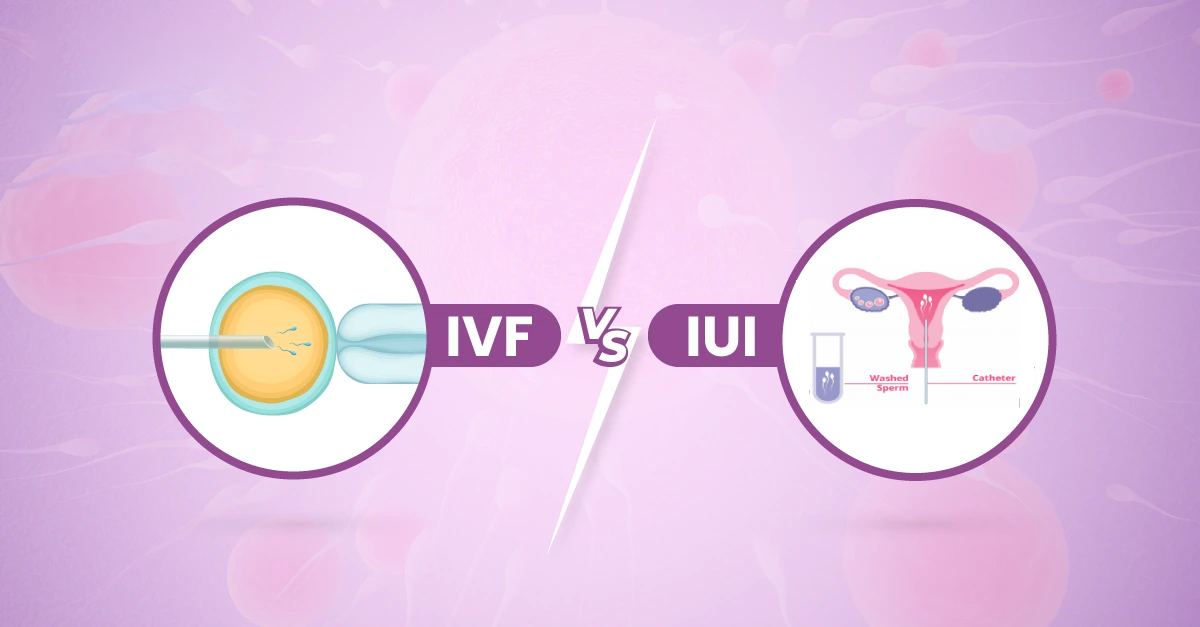
IVF vs IUI difference explained by Dr. Nitasha Gupta

IVF vs IUI: visual comparison of two major fertility treatments.

The Difference Between IUI and IVF: A Complete, Expert-Backed Guide

Infertility affects nearly 15–18% of couples in India (WHO). Because this challenge is becoming more common, many couples try to understand the exact difference between IUI (Intrauterine Insemination) and IVF (In Vitro Fertilization). Although both treatments aim to help with conception, they work in completely different ways and therefore suit different medical conditions.

To simplify this decision, this guide follows the structured approach used by Dr. Nitasha Gupta – Consultant Gynecologist & IVF Specialist. She treats infertility, PCOS, endometriosis, recurrent pregnancy loss, and hormonal issues across Panchkula, Chandigarh, Mohali & Dera Bassi. As a result, this article is clear, medically accurate, and aligned with trusted global standards such as ASRM, CDC, and WHO.

What Is IUI?

IUI is a simple and minimally invasive fertility treatment. During this procedure, healthy, processed sperm is placed directly into the uterus close to the time of ovulation. Because the distance between the sperm and egg becomes shorter, the chances of natural fertilization increase significantly.

For detailed fertility treatments, visit our Fertility Services page.

To book a consultation with our gynecology team, click here:
Contact Dr. Nitasha Gupta.

How IUI Works

1. Sperm Preparation: The andrology lab chooses the healthiest sperm (PubMed reference).

2. Ovulation Monitoring: The doctor tracks ovulation using ultrasound scans, hormone blood tests, ovulation kits, or medications like Letrozole, Clomid, or low-dose gonadotropins.

3. Insemination: A thin catheter inserts sperm directly into the uterus. Because the process is quick and comfortable, most women resume daily activities immediately.

4. Aftercare: A pregnancy test is usually done after 14 days.

When Is IUI Recommended?

  • Mild male infertility
  • Low sperm motility
  • Cervical mucus challenges
  • Unexplained infertility
  • Mild PCOS
  • Donor sperm cycles
  • Couples who prefer beginning with a simpler option

Helpful Internal Links

What Is IVF?

IVF is an advanced fertility treatment in which eggs are retrieved from the ovaries, fertilized in a laboratory, and then healthy embryos are transferred into the uterus. Because IVF bypasses several natural barriers, it offers considerably higher success rates than IUI.

How IVF Works

1. Ovarian Stimulation: Fertility injections stimulate the ovaries to produce multiple mature eggs.

2. Egg Retrieval: A short, painless procedure where eggs are collected using an ultrasound-guided needle.

3. Fertilization Methods:

  • Conventional IVF: Eggs and sperm are cultured together.
  • ICSI: A single sperm is injected directly into an egg, which is especially useful for severe male infertility.

4. Embryo Culture: Embryos grow in the lab for 3–5 days.

5. Embryo Transfer: One or more healthy embryos are placed into the uterus.

6. Pregnancy Support: Hormones help the uterine lining prepare for implantation.

Useful Internal Links for IVF Patients

When Is IVF Recommended?

  • Repeated IUI failures
  • Blocked or severely damaged fallopian tubes
  • Severe male infertility
  • Age above 35
  • Moderate to severe endometriosis
  • Low ovarian reserve
  • PCOS unresponsive to medication
  • Need for PGT-A / PGT-M

Key Differences Between IUI and IVF

1. Procedure Complexity

IUI is simple and quick, whereas IVF includes stimulation, retrieval, lab fertilization, and embryo transfer.

2. Success Rates

IUI: 10–20% per cycle
IVF: 40–70% per cycle depending on age (ASRM)

3. Cost

IUI: ₹7,000–₹10,000 per cycle
IVF: ₹1,00,000–₹2,00,000 per cycle

4. Suitability

IUI works well for mild infertility, whereas IVF is better for moderate to severe conditions.

5. Ovarian Stimulation

IUI usually uses mild stimulation, but IVF requires controlled ovarian hyperstimulation for higher egg yield.

Which Treatment Is Better?

IUI is recommended when:

  • Younger age
  • Mild infertility
  • Open fallopian tubes
  • A budget-friendly start is preferred

IVF is recommended when:

  • Tubes are blocked
  • Male infertility is severe
  • 3–4 IUI cycles have failed
  • Higher success is required quickly

Conclusion

Both IUI and IVF help couples achieve pregnancy; however, they differ in complexity, success rate, and cost. While IUI is affordable and less invasive, IVF offers far higher success rates and becomes essential for complex infertility cases. Because each couple’s fertility journey is unique, choosing the right treatment depends on age, medical history, and reproductive goals.

This comparison is specially prepared for patients seeking IUI and IVF treatment in Panchkula, Chandigarh, Mohali, and nearby areas.

To begin your personalized fertility plan, you can book an appointment with Dr. Nitasha Gupta.

Frequently Asked Questions (FAQs)

Q1. How many IUI cycles should I try before IVF?

Most specialists recommend 3–4 IUI cycles before switching to IVF.

Q2. Is IVF more successful than IUI?

Yes. IVF offers significantly higher success rates per cycle.

Q3. Is IUI painful?

No. IUI feels similar to a routine gynecological examination.

Q4. Who should choose IVF directly?

Couples with blocked tubes, severe male infertility, or low ovarian reserve.

Q5. Does IVF work for unexplained infertility?

Yes. IVF is highly effective because embryo development is closely monitored in the lab.

Latest Blog

Know more about fertility and other fertility problems. We have the solution

FAQ Section

Read all the FAQ's and other general questions if you have.

Emergency Case

If you have an emergency call us or drop us an email, We will get back to you asap.

All Rights Reserved - Dr. Nitasha Gupta © 2025