




Categories
Women’s Wellness

Is Early Period Normal in Girls? What Parents Need to Know


Is Early Period Normal in Girls? What Parents Need to Know

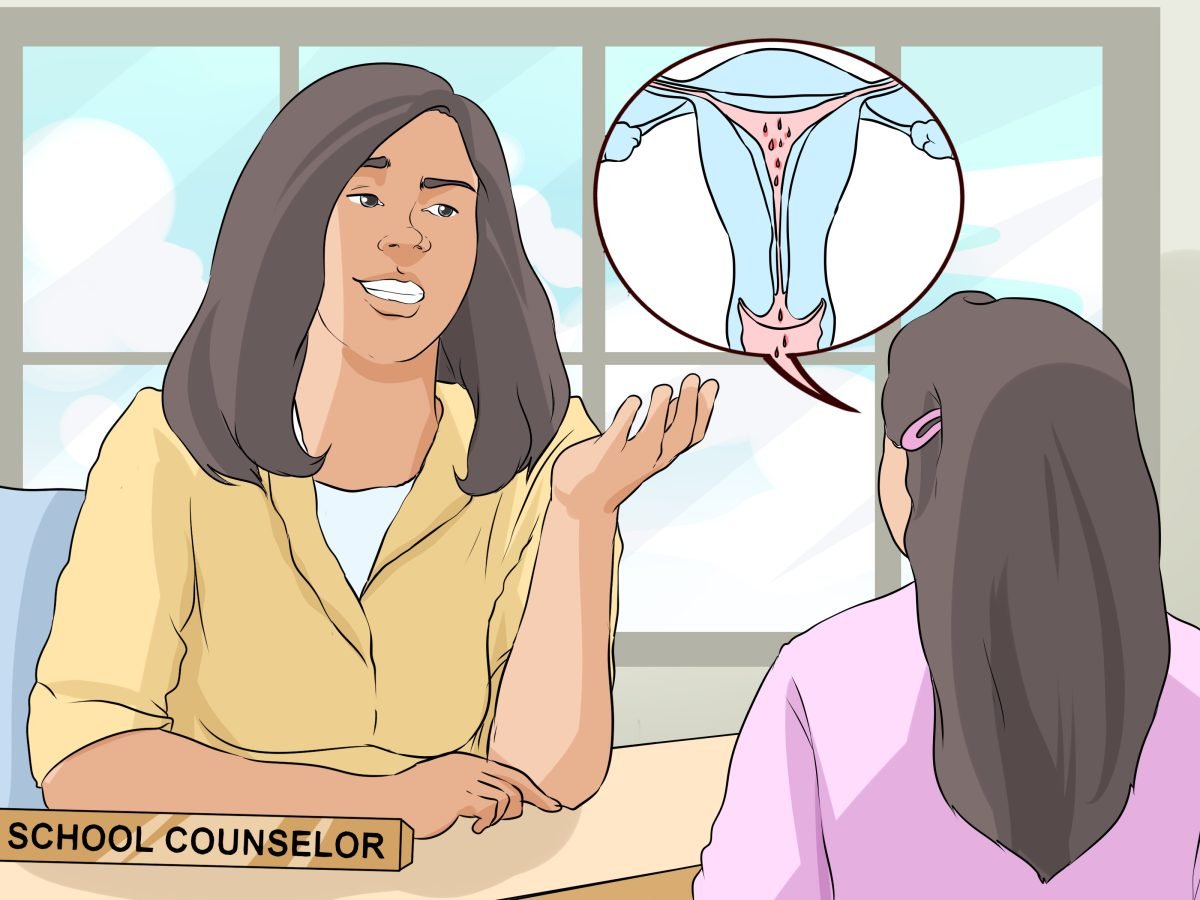
Many parents feel worried or confused when their daughter gets her first period earlier than expected. Questions like “Is early period normal in girls?” or “Why did my daughter get periods so young?” are extremely common.

The good news is that in many cases, early periods are completely normal. This guide explains what early periods mean, what age is considered early, possible causes, and when parents should consult a gynecologist.


What Is Considered an Early Period?

The first menstrual period is called menarche. Most girls get their first period between the ages of 11 and 14.

A period is considered early if it starts before the age of 9 years.


Is Early Period Normal in Girls?

Yes — in many cases, early periods are normal and part of natural body development.

Over the last few decades, doctors worldwide have observed that girls are starting puberty earlier than before. Factors like nutrition, body weight, environment, and genetics all play a role.

However, very early periods (before age 8) may need medical evaluation.


Common Reasons for Early Periods in Girls

  • Genetics (early periods in mother or sisters)
  • Higher body weight or obesity
  • Hormonal changes
  • Improved nutrition
  • Exposure to certain environmental factors

Signs That Periods May Start Early

  • Breast development
  • Growth of pubic or underarm hair
  • Sudden height growth
  • White or yellow vaginal discharge
  • Mood changes or irritability

These signs may appear months or even years before the first period.


When Should Parents Be Concerned?

Parents should consult a gynecologist if:

  • Periods start before age 8
  • Periods are very heavy or painful
  • There is rapid physical development
  • The child shows emotional distress
  • Periods are irregular for many months

How Can Parents Support Their Daughter?

  • Talk openly and calmly about periods
  • Explain that menstruation is normal
  • Teach proper menstrual hygiene
  • Encourage a balanced diet and physical activity
  • Reassure your child emotionally

Do Early Periods Affect Future Height or Fertility?

In most cases, early periods do not affect fertility.

However, very early puberty may slightly reduce final adult height due to early bone maturation. A doctor can guide parents if monitoring is required.


Patients Visiting Us from Nearby Cities

Parents often consult us for adolescent gynecology concerns from nearby locations, including:


Frequently Asked Questions

Is it normal to get periods at 9 or 10 years?

Yes. Periods at 9 or 10 years can be normal, especially if there is a family history of early puberty.

Should early periods be treated?

Most early periods do not need treatment. Medical evaluation is required only if puberty is very early or progressing rapidly.

Can stress cause early periods?

Stress alone usually does not cause early periods, but it can influence hormonal balance.


Early periods can be confusing for both parents and children. Understanding what is normal and knowing when to seek medical advice helps ensure physical and emotional well-being.
Categories
Women’s Wellness

When Should You See a Gynecologist? Complete Women’s Guide

When Should You See a Gynecologist? A Complete Women’s Health Guide

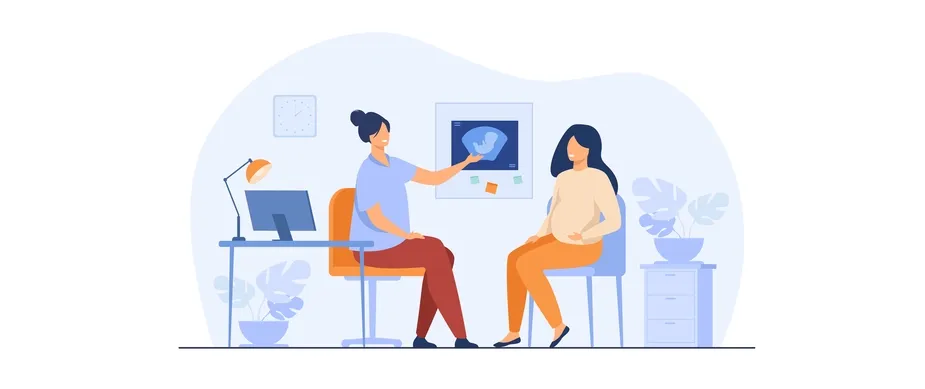
Many women are unsure about when they should see a gynecologist. Some wait until pregnancy, while others delay visits even when symptoms appear.

Regular gynecologist visits are essential for preventive care, early diagnosis, and maintaining long-term reproductive and hormonal health. This guide explains when to see a gynecologist, based on age, symptoms, life stages, and common women’s health concerns.


What Does a Gynecologist Do?

A gynecologist is a doctor who specializes in women’s reproductive health. Gynecologists diagnose and treat conditions related to menstruation, pregnancy, fertility, hormones, and reproductive organs.

Routine gynecology checkups help detect problems early, often before symptoms become severe.


When Should You First Visit a Gynecologist?

Most medical guidelines recommend a first gynecologist visit between the ages of 13 and 15, or earlier if symptoms appear.

Reasons for an early visit include:

  • Irregular or painful periods
  • Heavy menstrual bleeding
  • Delayed puberty
  • Vaginal discharge or itching
  • Concerns about body changes

The first visit often focuses on education and reassurance rather than internal examination.


Age-Wise Guide: When to See a Gynecologist

Teenage Years (13–19)

  • Irregular or missed periods
  • Severe period pain
  • Hormonal concerns
  • Menstrual hygiene guidance

20s and 30s

  • Annual gynecology checkups
  • Contraception advice
  • PCOS or hormonal imbalance
  • Pre-pregnancy counseling
  • Fertility concerns

During Pregnancy

  • Antenatal checkups
  • Ultrasound monitoring
  • High-risk pregnancy care

40s and Above

  • Menopause symptoms
  • Abnormal bleeding
  • Pelvic pain
  • Preventive cancer screening

Symptoms That Mean You Should See a Gynecologist Immediately

  • Irregular or missed periods
  • Very heavy menstrual bleeding
  • Bleeding between periods
  • Pelvic or lower abdominal pain
  • Unusual vaginal discharge or odor
  • Pain during intercourse
  • Bleeding after menopause

These symptoms should never be ignored, as early evaluation leads to better outcomes.


When to See a Gynecologist for Pregnancy & Fertility

You should consult a gynecologist if:

  • You are planning pregnancy
  • You have been trying to conceive for over 12 months (or 6 months if over 35)
  • You have PCOS or thyroid issues
  • You have experienced miscarriages

Early fertility evaluation can prevent delays and improve treatment success.


How Often Should You Visit a Gynecologist?

  • Once a year for routine checkups
  • More frequently during pregnancy
  • Whenever symptoms appear

Even if you feel healthy, annual visits help with prevention and early detection.


Patients Visiting Us from Nearby Cities

Women regularly consult us from multiple locations for gynecology, fertility, and pregnancy care, including:


Frequently Asked Questions

Is it necessary to see a gynecologist if I have no symptoms?

Yes. Routine gynecology checkups help prevent and detect issues early, even without symptoms.

How do I prepare for my first gynecologist visit?

Note your menstrual history, symptoms, and any medications you take. Avoid scheduling during heavy bleeding if possible.

When should I see a gynecologist for irregular periods?

If periods are irregular for more than three cycles, medical evaluation is recommended.

Can I consult a gynecologist before planning pregnancy?

Yes. Pre-conception counseling improves pregnancy outcomes and helps identify potential risks early.


Regular gynecologist visits are an investment in long-term health. If you have concerns or symptoms, early consultation ensures better care and peace of mind.

Latest Blog

Know more about fertility and other fertility problems. We have the solution

FAQ Section

Read all the FAQ's and other general questions if you have.

Emergency Case

If you have an emergency call us or drop us an email, We will get back to you asap.

All Rights Reserved - Dr. Nitasha Gupta © 2025