



Categories
Infertility Insights

Role of a Gynecologist: When to See One & What to Expect (2026)


Role of a Gynecologist: When to See One & What to Expect (2026)

Role of a Gynecologist: Complete Women’s Health Guide (2026)

6-minute read · Medically reviewed · Updated January 2026

A gynecologist is a doctor who looks after a woman’s reproductive health. In simple terms, a gynecologist helps with periods, hormones, pregnancy, fertility, and menopause. As a result, women of all ages benefit from regular gynecological care.

This guide is written and medically reviewed by Dr. Nitasha Gupta, Gynecologist and IVF Specialist at La Bella – Women’s Health & IVF Centre. She provides trusted care to patients across Chandigarh, Panchkula, Mohali, Zirakpur, and Dera Bassi.


Key Facts About Gynecologists

  • Gynecologists treat period problems, hormonal issues, pregnancy, and menopause
  • Women should plan a routine gynecologist visit at least once a year
  • Early consultation helps prevent PCOS, anemia, and fertility problems
  • Doctors always perform pelvic exams only after taking your consent

What Is a Gynecologist?

A gynecologist is a specialist who focuses on the uterus, ovaries, cervix, vagina, and breasts. In addition, many gynecologists also work as obstetricians. Therefore, they manage pregnancy, delivery, and post-pregnancy care as well.

According to international health guidelines, regular gynecological check-ups help detect health problems early. Because of this, women who visit a gynecologist regularly often enjoy better long-term health.


When Should You See a Gynecologist?

You should book an appointment with a gynecologist if you notice any of the following:

  • Irregular, heavy, or painful periods
  • Missed periods or early periods in teenage girls
  • Symptoms of PCOS such as acne, weight gain, or facial hair
  • Difficulty in getting pregnant
  • Frequent vaginal infections or unusual discharge
  • Lower abdominal pain or abnormal bleeding
  • Menopause symptoms like hot flashes or mood changes

2026 insight: Today, many young women search online for “is my period normal” or “hormones feel off.” Because of this trend, early gynecologist visits are becoming more common and highly recommended.


What Happens During a Gynecologist Appointment?

During your visit, your gynecologist will usually:

  1. Discuss your medical and menstrual history
  2. Ask about stress, sleep, diet, and lifestyle
  3. Check family history related to diabetes or hormonal problems
  4. Suggest blood tests or ultrasound only if needed

If required, the doctor may suggest a pelvic exam. However, the doctor will always explain the process clearly and proceed only after your approval.


Questions You Can Ask Your Gynecologist

  • Are my periods healthy for my age?
  • Do my symptoms suggest a hormone imbalance or PCOS?
  • What lifestyle changes can improve my condition?
  • When is the right time to plan pregnancy?
  • Is this treatment necessary right now?

How to Find a Trusted Gynecologist Near You

To choose the right gynecologist, look for experience, clear communication, and ethical treatment practices. Most importantly, select a doctor who focuses on long-term health rather than quick solutions.

Dr. Nitasha Gupta is known for patient-focused and evidence-based gynecological care in the Tricity region.

Book an Appointment with Dr. Nitasha Gupta

⭐ Read verified Google reviews from real patients:

View Patient Reviews

More Google Reviews


Do You Need a Referral to See a Gynecologist in India?

In India, you do not need a referral. Therefore, you can directly consult a gynecologist at a private clinic.


Frequently Asked Questions (FAQs)

At what age should a girl see a gynecologist?

A girl can visit a gynecologist anytime after her first period if she faces discomfort or irregular cycles.

Is a pelvic exam painful?

No. While it may feel slightly uncomfortable, it should not cause pain.

How often should I visit a gynecologist?

Ideally, once a year or earlier if you notice symptoms.

Can stress delay periods?

Yes. Stress can affect hormones and delay periods.

Last medically reviewed: January 2026


Categories
Infertility Insights

Early Signs of Infertility in Men & Women | Best Fertility Doctor Panchkula

Early Signs of Infertility in Men & Women

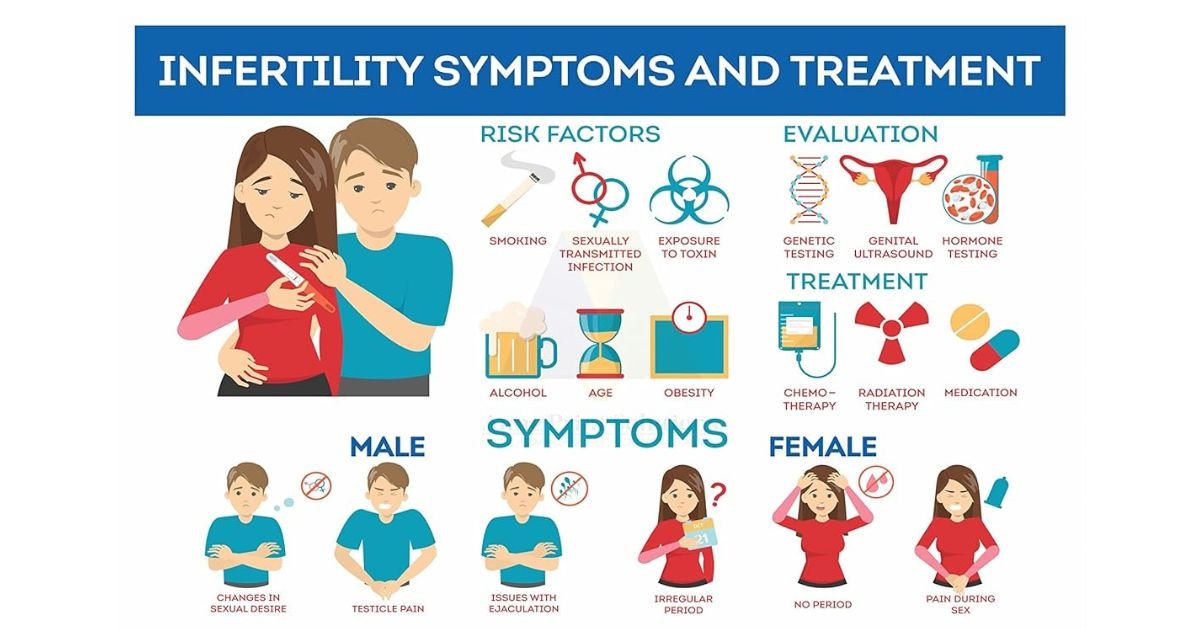
The early signs of infertility go unnoticed by many couples. Nearly 15–18% of Indian couples face difficulty conceiving. Recognizing the early signs of infertility allows timely diagnosis and improves pregnancy success dramatically.

Early Signs of Infertility in Women

  • Irregular or absent menstrual cycles
  • Pelvic pain or painful periods
  • PCOS symptoms
  • Hormonal acne and weight gain
  • Repeated miscarriages

Early Signs of Infertility in Men

  • Low libido or erectile issues
  • Testicular pain or swelling
  • Poor semen parameters
  • Low sperm count or motility

Common Causes of Infertility

Major causes behind early signs of infertility include:

  • PCOS
  • Thyroid disorders
  • Semen quality abnormalities
  • Blocked fallopian tubes
  • Endometriosis

Testing for Infertility

  • Ultrasound pelvic scans
  • Hormone blood testing
  • Semen analysis
  • Tubal patency evaluation
  • Ovarian reserve testing

Best Fertility Doctor in Panchkula & Chandigarh

Dr. Nitasha Gupta is one of the most trusted infertility specialists in Panchkula treating couples from Chandigarh, Mohali, Zirakpur, Dera Bassi and Panchkula.

Google Business Profile

Book Fertility Consultation

Click here to book IVF consultation

FAQs – Early Signs of Infertility

Can infertility be treated?

Yes — over 80% of infertility cases respond successfully to treatment.

When should couples see a fertility specialist?

After 12 months of unsuccessful attempts or earlier if symptoms appear.

Which doctor is best for infertility in Panchkula?

Dr. Nitasha Gupta is a leading IVF and infertility doctor in Panchkula.

Categories
PCOS & Hormonal Disorders

PCOS Symptoms in Women – Causes, Signs & Treatment Options | Best PCOS Doctor in Panchkula

PCOS symptoms in women diagnosis and treatment by best PCOS doctor in Panchkula Chandigarh

PCOS Symptoms in Women – Causes, Signs & Treatment Options

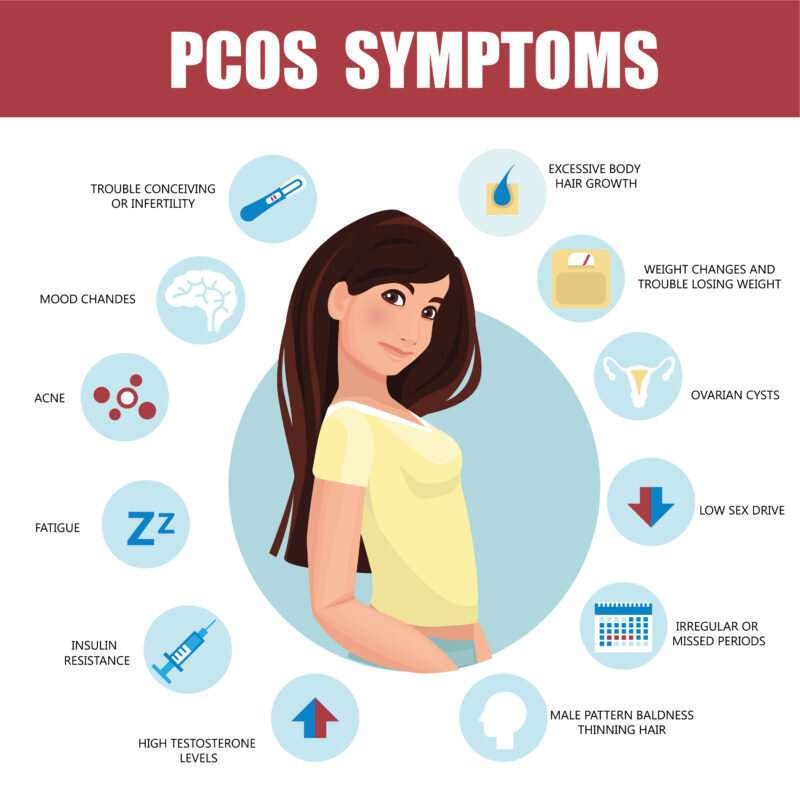
PCOS symptoms in women are now one of the most common gynecological health concerns in India. Nearly 15–22% of women of reproductive age suffer from Polycystic Ovary Syndrome (PCOS). PCOS symptoms in women usually appear as irregular periods, acne, hair fall, weight gain and difficulty conceiving. Early diagnosis and expert treatment can help control PCOS symptoms in women and restore ovulation naturally or via fertility therapies.

Common PCOS Symptoms in Women

  • Irregular or missed menstrual cycles – a major indicator of PCOS symptoms in women
  • Hormonal acne and oily skin
  • Unwanted facial or body hair growth
  • Hair thinning or scalp hair loss
  • Weight gain or inability to lose weight
  • Dark pigmentation around the neck or underarms
  • Pelvic pain or ovarian cysts detected via ultrasound
  • Difficulty conceiving or repeated IVF failures

Main Causes of PCOS in Women

The most common causes behind PCOS symptoms in women include insulin resistance, hormonal imbalance, lifestyle disorders, obesity, stress, and genetic predisposition.

  • Insulin resistance creating androgen hormone imbalance
  • Genetic factors with family history of PCOS
  • Hormonal disruptions between estrogen & progesterone
  • Sedentary lifestyle increasing weight-related complications

Diagnosis of PCOS

Diagnosis of PCOS symptoms in women includes menstrual history, ultrasound pelvic scan, hormonal blood tests, thyroid screening, insulin testing and lipid profile evaluation.

Best Treatment for PCOS Symptoms in Women

The best management for PCOS symptoms in women depends on fertility goals and age.

Lifestyle Correction

  • Balanced low-carb diet
  • Regular walking & resistance exercise
  • Weight control
  • Stress reduction techniques

Medical Treatment

  • Medicines to regulate cycles
  • Ovulation induction therapy
  • Hormonal medications

Fertility Treatment

  • IUI for mild infertility cases
  • IVF therapy for severe PCOS & ovulation failure
  • Laparoscopic ovarian drilling in resistant PCOS

Best PCOS Doctor in Panchkula & Chandigarh

Women searching for the best PCOS doctor in Panchkula or a trusted PCOS gynecologist in Chandigarh consult
Dr. Nitasha Gupta, an expert Gynecologist & IVF Specialist providing advanced fertility care to women from Panchkula, Mohali, Zirakpur, Chandigarh and Dera Bassi.

View Google Business Profile for clinical appointment

Book Your PCOS Consultation

Early treatment of PCOS symptoms in women significantly increases pregnancy success rates.
Click here to book PCOS appointment now

FAQs – PCOS Symptoms in Women

Is PCOS dangerous?

Untreated PCOS symptoms in women can lead to infertility, diabetes and hormonal disorders but are manageable with treatment.

Can PCOS be cured permanently?

PCOS cannot be cured permanently, but PCOS symptoms in women can be completely controlled with medical and lifestyle therapy.

Can women with PCOS conceive naturally?

Yes — over 80% conceive naturally or with ovulation induction, IUI or IVF support.

Which doctor treats PCOS in Panchkula?

Dr. Nitasha Gupta is a leading PCOS doctor in Panchkula trusted for hormonal regulation and fertility treatment.

Categories
Infertility Insights PCOS & Hormonal Disorders

The Difference Between IUI and IVF: A Comprehensive Guide

Choosing between IUI and IVF is one of the most common questions patients ask at our Panchkula and Chandigarh clinics. This short introduction helps Google understand the page better and gives local context for indexing.

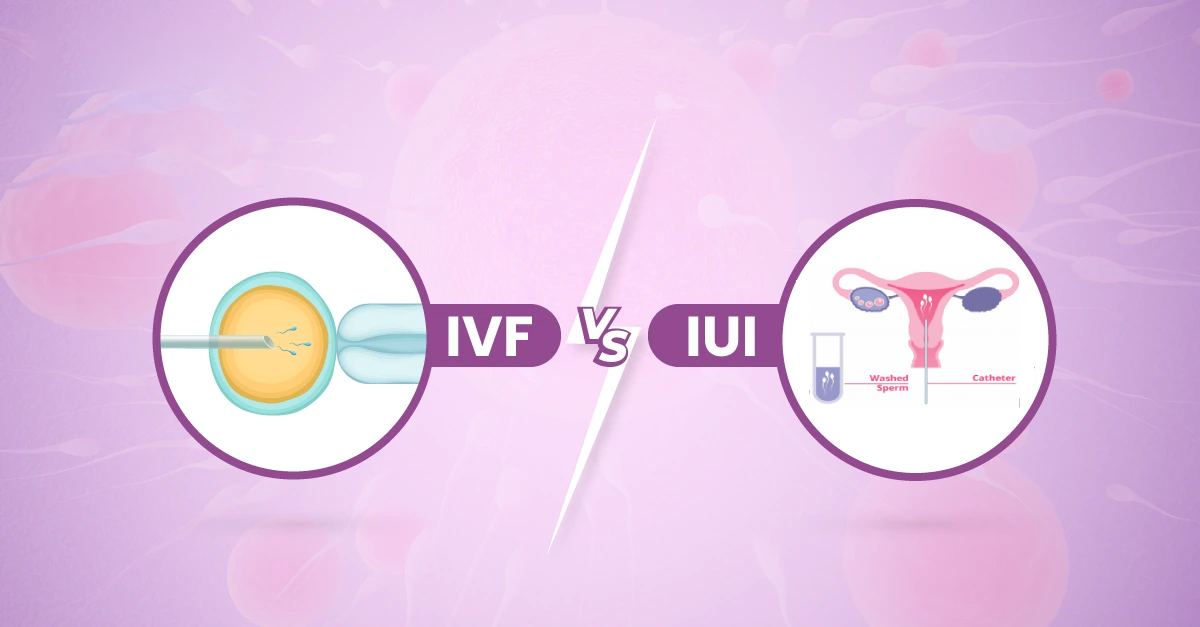
IVF vs IUI difference explained by Dr. Nitasha Gupta

IVF vs IUI: visual comparison of two major fertility treatments.

The Difference Between IUI and IVF: A Complete, Expert-Backed Guide

Infertility affects nearly 15–18% of couples in India (WHO). Because this challenge is becoming more common, many couples try to understand the exact difference between IUI (Intrauterine Insemination) and IVF (In Vitro Fertilization). Although both treatments aim to help with conception, they work in completely different ways and therefore suit different medical conditions.

To simplify this decision, this guide follows the structured approach used by Dr. Nitasha Gupta – Consultant Gynecologist & IVF Specialist. She treats infertility, PCOS, endometriosis, recurrent pregnancy loss, and hormonal issues across Panchkula, Chandigarh, Mohali & Dera Bassi. As a result, this article is clear, medically accurate, and aligned with trusted global standards such as ASRM, CDC, and WHO.

What Is IUI?

IUI is a simple and minimally invasive fertility treatment. During this procedure, healthy, processed sperm is placed directly into the uterus close to the time of ovulation. Because the distance between the sperm and egg becomes shorter, the chances of natural fertilization increase significantly.

For detailed fertility treatments, visit our Fertility Services page.

To book a consultation with our gynecology team, click here:
Contact Dr. Nitasha Gupta.

How IUI Works

1. Sperm Preparation: The andrology lab chooses the healthiest sperm (PubMed reference).

2. Ovulation Monitoring: The doctor tracks ovulation using ultrasound scans, hormone blood tests, ovulation kits, or medications like Letrozole, Clomid, or low-dose gonadotropins.

3. Insemination: A thin catheter inserts sperm directly into the uterus. Because the process is quick and comfortable, most women resume daily activities immediately.

4. Aftercare: A pregnancy test is usually done after 14 days.

When Is IUI Recommended?

  • Mild male infertility
  • Low sperm motility
  • Cervical mucus challenges
  • Unexplained infertility
  • Mild PCOS
  • Donor sperm cycles
  • Couples who prefer beginning with a simpler option

Helpful Internal Links

What Is IVF?

IVF is an advanced fertility treatment in which eggs are retrieved from the ovaries, fertilized in a laboratory, and then healthy embryos are transferred into the uterus. Because IVF bypasses several natural barriers, it offers considerably higher success rates than IUI.

How IVF Works

1. Ovarian Stimulation: Fertility injections stimulate the ovaries to produce multiple mature eggs.

2. Egg Retrieval: A short, painless procedure where eggs are collected using an ultrasound-guided needle.

3. Fertilization Methods:

  • Conventional IVF: Eggs and sperm are cultured together.
  • ICSI: A single sperm is injected directly into an egg, which is especially useful for severe male infertility.

4. Embryo Culture: Embryos grow in the lab for 3–5 days.

5. Embryo Transfer: One or more healthy embryos are placed into the uterus.

6. Pregnancy Support: Hormones help the uterine lining prepare for implantation.

Useful Internal Links for IVF Patients

When Is IVF Recommended?

  • Repeated IUI failures
  • Blocked or severely damaged fallopian tubes
  • Severe male infertility
  • Age above 35
  • Moderate to severe endometriosis
  • Low ovarian reserve
  • PCOS unresponsive to medication
  • Need for PGT-A / PGT-M

Key Differences Between IUI and IVF

1. Procedure Complexity

IUI is simple and quick, whereas IVF includes stimulation, retrieval, lab fertilization, and embryo transfer.

2. Success Rates

IUI: 10–20% per cycle
IVF: 40–70% per cycle depending on age (ASRM)

3. Cost

IUI: ₹7,000–₹10,000 per cycle
IVF: ₹1,00,000–₹2,00,000 per cycle

4. Suitability

IUI works well for mild infertility, whereas IVF is better for moderate to severe conditions.

5. Ovarian Stimulation

IUI usually uses mild stimulation, but IVF requires controlled ovarian hyperstimulation for higher egg yield.

Which Treatment Is Better?

IUI is recommended when:

  • Younger age
  • Mild infertility
  • Open fallopian tubes
  • A budget-friendly start is preferred

IVF is recommended when:

  • Tubes are blocked
  • Male infertility is severe
  • 3–4 IUI cycles have failed
  • Higher success is required quickly

Conclusion

Both IUI and IVF help couples achieve pregnancy; however, they differ in complexity, success rate, and cost. While IUI is affordable and less invasive, IVF offers far higher success rates and becomes essential for complex infertility cases. Because each couple’s fertility journey is unique, choosing the right treatment depends on age, medical history, and reproductive goals.

This comparison is specially prepared for patients seeking IUI and IVF treatment in Panchkula, Chandigarh, Mohali, and nearby areas.

To begin your personalized fertility plan, you can book an appointment with Dr. Nitasha Gupta.

Frequently Asked Questions (FAQs)

Q1. How many IUI cycles should I try before IVF?

Most specialists recommend 3–4 IUI cycles before switching to IVF.

Q2. Is IVF more successful than IUI?

Yes. IVF offers significantly higher success rates per cycle.

Q3. Is IUI painful?

No. IUI feels similar to a routine gynecological examination.

Q4. Who should choose IVF directly?

Couples with blocked tubes, severe male infertility, or low ovarian reserve.

Q5. Does IVF work for unexplained infertility?

Yes. IVF is highly effective because embryo development is closely monitored in the lab.

Latest Blog

Know more about fertility and other fertility problems. We have the solution

FAQ Section

Read all the FAQ's and other general questions if you have.

Emergency Case

If you have an emergency call us or drop us an email, We will get back to you asap.

All Rights Reserved - Dr. Nitasha Gupta © 2025