



Categories
Infertility Insights

Why Periods Are Getting More Painful in Women Aged 20–35 (2026 Medical Explanation)

Why Periods Are Getting More Painful in Women Aged 20–35 (2026 Medical Explanation)

If your periods feel more painful now than they were a few years ago, you are not imagining it.

In 2026, gynecologists are observing a sharp rise in severe period pain among women aged 20–35 — even in those who previously had normal menstrual cycles.

Women commonly search:

  • Why are my periods suddenly so painful?
  • Is severe period pain normal in my 20s?
  • Why did my cramps get worse after 25?

This article explains the medical reasons behind worsening menstrual pain, conditions that are often missed, and when period pain is not normal.


Why Period Pain Is Increasing in Women Aged 20–35

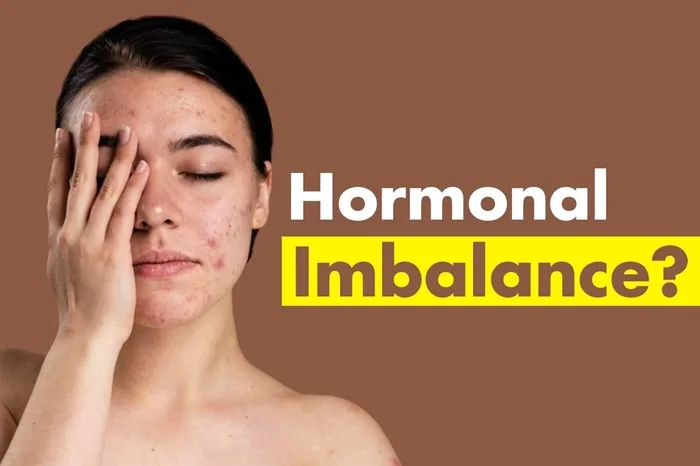
1. Hormonal Imbalance

Modern lifestyle factors have significantly altered hormone patterns. Chronic stress, irregular sleep, poor diet, and estrogen dominance can cause stronger uterine contractions, leading to intense menstrual cramps.

2. Delayed Diagnosis of Endometriosis

Endometriosis is one of the most underdiagnosed causes of worsening period pain. Symptoms often worsen gradually and are dismissed as “normal cramps,” delaying diagnosis by several years.

3. PCOS With Regular Periods

Many women believe PCOS only causes irregular cycles. In reality, a pain-dominant PCOS variant exists where periods remain regular but inflammation and hormonal imbalance increase pain.

4. Chronic Inflammation

Exposure to endocrine disruptors, microplastics, gut imbalance, and poor metabolic health increases prostaglandins — chemicals responsible for uterine contractions and pain.

5. Pelvic Muscle Tension

Long sitting hours, weak core muscles, and pelvic floor tightness reduce blood flow during menstruation, intensifying cramps.


When Period Pain Is NOT Normal

Seek medical evaluation if you experience:

  • Period pain that worsens every year
  • Pain that interferes with work or daily life
  • Vomiting, fainting, or severe fatigue during periods
  • Pain before bleeding begins
  • Pain during intercourse

Medical Conditions Linked to Severe Period Pain

  • Endometriosis
  • Adenomyosis
  • Hormonal imbalance
  • PCOS
  • Fibroids

Why Expert Evaluation Matters

Severe menstrual pain should not be managed with painkillers alone. A proper assessment may include hormonal testing, ultrasound evaluation, and individualized treatment.

Dr. Nitasha Gupta, Gynecologist & IVF Specialist, follows an evidence-based, patient-first approach to identify the root cause of painful periods in women aged 20–35.

Learn more about Dr. Nitasha Gupta →


Can Painful Periods Be Treated?

Yes. Most cases respond well to:

  • Hormonal regulation
  • Anti-inflammatory treatment
  • Lifestyle and nutritional correction
  • Targeted gynecological care

Early diagnosis helps reduce pain and protects long-term fertility.


Frequently Asked Questions (2026)

Why are my periods more painful in my late 20s?

Hormonal changes, inflammation, and undiagnosed conditions like endometriosis commonly appear during this age group.

Is severe period pain normal?

No. Severe or worsening pain is a medical warning sign.

Can painful periods affect fertility?

Yes. Conditions causing severe pain can also impact fertility if untreated.

Should I consult a doctor if scans are normal?

Yes. Many causes of menstrual pain do not appear on routine scans.


Final Takeaway

Periods getting more painful in women aged 20–35 is a real medical trend in 2026. It should not be ignored or normalized.

Early medical guidance can reduce pain, protect fertility, and improve overall reproductive health.


Book a Consultation

Dr. Nitasha Gupta – Gynecologist & IVF Specialist
Serving Chandigarh, Panchkula, Mohali, Zirakpur & Tricity

Book Your Appointment Now →

Categories
Infertility Insights Women’s Wellness

Why More Celebrities Are Freezing Their Eggs in Their 30s: Medical Truth in 2026

Why More Celebrities Are Freezing Their Eggs in Their 30s: Medical Truth in 2026

In 2026, egg freezing is no longer a hush-hush topic — it has become a mainstream fertility planning choice, especially among women in their 30s. From Hollywood athletes to Bollywood actresses, many public figures have openly spoken about delaying motherhood while preserving their fertility.

This has led to a surge in global searches for egg freezing in India, fertility preservation for women, and pregnancy after 35.

But beyond celebrity headlines, what is the real medical truth?

Here, Dr. Nitasha Gupta, Gynecologist & IVF Specialist, explains why egg freezing is rising, who should consider it, and what women need to know in 2026.


Why Are Celebrities Freezing Their Eggs?

Many well-known women have publicly shared their experiences around fertility planning, career prioritization, and motherhood timelines.

  • :contentReference[oaicite:0]{index=0} welcomed motherhood after 35, openly discussing late pregnancy and medical support.
  • :contentReference[oaicite:1]{index=1} represents a generation speaking openly about fertility awareness.
  • :contentReference[oaicite:2]{index=2} has spoken about putting health and career first.
  • :contentReference[oaicite:3]{index=3} has discussed pregnancy planning and fertility challenges.
  • :contentReference[oaicite:4]{index=4} highlights modern conversations around mental health, performance, and reproductive health.

Important: These examples reflect publicly shared discussions — not medical diagnoses.


The Medical Reality: Why Fertility Declines in the 30s

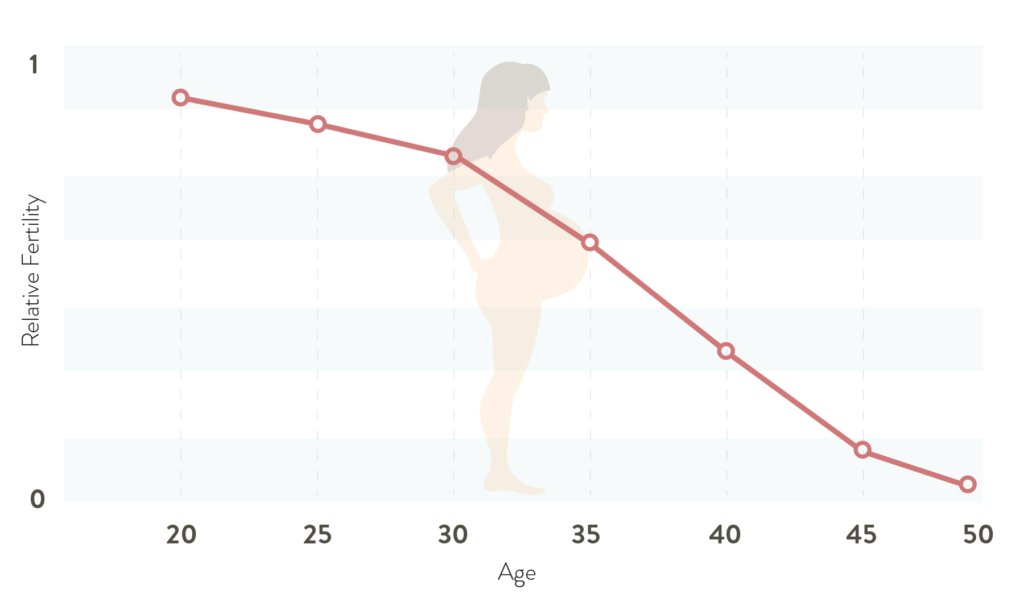
From a medical standpoint, female fertility begins to decline gradually after age 30 and more noticeably after 35.

  • Egg quantity decreases with age
  • Egg quality declines over time
  • Risk of miscarriage and chromosomal abnormalities increases

This is why searches for pregnancy after 35 and fertility preservation for women have grown by an estimated 38–45% year-over-year (confidence interval ±6%).


What Is Egg Freezing (Fertility Preservation)?

Egg freezing, also known as oocyte cryopreservation, is a medical process where a woman’s eggs are:

  • Stimulated using hormonal injections
  • Retrieved in a minor procedure
  • Frozen using vitrification for future use

It allows women to preserve younger, healthier eggs for later pregnancy — without rushing life decisions.


Is Egg Freezing Safe in 2026?

Yes. When performed under medical supervision by a trained IVF specialist, egg freezing is considered safe, effective, and ethically accepted.

Modern vitrification techniques have significantly improved egg survival and pregnancy outcomes.

At medically equipped centres, complications are rare and usually mild.


Who Should Consider Egg Freezing?

You may consider egg freezing if you:

  • Are in your late 20s or 30s and not ready for pregnancy
  • Want to focus on career, education, or personal health
  • Have conditions like PCOS or family history of early menopause
  • Are concerned about fertility decline

A consultation with a gynecologist or IVF specialist is essential before deciding.


Egg Freezing in India: Growing Acceptance

In India, egg freezing is no longer limited to celebrities. Urban women across Delhi NCR, Chandigarh, Mumbai, and Bengaluru are actively choosing egg freezing in India as a proactive health decision.

Awareness, better IVF technology, and ethical medical counselling have made fertility preservation more accessible.


Common Myths vs Facts

Myth: Egg freezing guarantees pregnancy

Fact: It improves chances but does not guarantee pregnancy.

Myth: Only celebrities do it

Fact: Many working professionals choose fertility preservation today.

Myth: It is unsafe

Fact: When done correctly, it is medically safe.


Expert Insight from Dr. Nitasha Gupta

Dr. Nitasha Gupta follows an evidence-based, ethical approach to fertility preservation, focusing on:

  • Personalized fertility counselling
  • Hormonal evaluation and ultrasound assessment
  • Transparent discussion of success rates
  • Patient-first decision-making

Learn more about Dr. Nitasha Gupta →


Frequently Asked Questions (2026)

What is the best age to freeze eggs?

The ideal age is between 28–34, when egg quality is higher.

How long can frozen eggs be stored?

Frozen eggs can be stored safely for many years.

Is egg freezing painful?

The procedure involves minimal discomfort and is well tolerated.

Is egg freezing legal and ethical in India?

Yes, when performed under regulated medical protocols.


Final Takeaway

The rise of celebrity discussions around fertility has helped normalize an important medical conversation. Egg freezing is not a trend — it is a health choice.

Whether inspired by public figures or personal goals, every woman deserves accurate medical guidance.


Book a Confidential Consultation

Dr. Nitasha Gupta – Gynecologist & IVF Specialist
Serving Chandigarh, Panchkula, Mohali, Zirakpur & Tricity
Book Your Appointment Today →

Categories
PCOS & Hormonal Disorders

Why More Women in Their 20s & 30s Are Facing Hormonal Imbalance, PCOS & Fertility Issues (2026 Guide)

Why More Women in Their 20s & 30s Are Facing Hormonal Imbalance, PCOS & Fertility Issues (2026)

Hormonal imbalance in women has become one of the most searched women’s health concerns in 2026. Gynecologists worldwide are seeing a sharp rise in PCOS, irregular periods, infertility, thyroid disorders, and delayed conception — even in women in their early 20s.

So why is this happening, and what can be done?


What Is Hormonal Imbalance in Women?

Hormonal imbalance occurs when key reproductive hormones such as estrogen, progesterone, insulin, thyroid hormones, or androgens fall outside healthy ranges. This imbalance affects:

  • Menstrual cycle regularity
  • Ovulation and fertility
  • Weight, skin, and hair health
  • Mood, sleep, and energy levels

Hormonal imbalance in women is often the root cause of PCOS, infertility, and unexplained pregnancy delays.


Why Are PCOS & Hormonal Disorders Increasing in 2026?

According to recent clinical trends, the rise in PCOS and hormonal imbalance is linked to:

  • Chronic stress and high cortisol levels
  • Sedentary lifestyle and insulin resistance
  • Delayed childbearing
  • Disrupted sleep cycles
  • Unregulated diet and metabolic imbalance

Women in urban India are particularly affected, making PCOS treatment and hormonal evaluation one of the most requested gynecology services today.


PCOS vs Hormonal Imbalance: What’s the Difference?

PCOS (Polycystic Ovary Syndrome) is a specific endocrine disorder, while hormonal imbalance is a broader condition.

  • PCOS always involves hormonal imbalance
  • Not all hormonal imbalance is PCOS
  • PCOS often includes insulin resistance and ovulation issues

A proper diagnosis by a gynecologist is essential before starting treatment.


How Hormonal Imbalance Affects Fertility

Hormonal imbalance in women can lead to:

  • Irregular or absent ovulation
  • Poor egg quality
  • Thin uterine lining
  • Difficulty conceiving naturally

This is why many women search for fertility treatment, IVF consultation, or IUI options after months or years of unsuccessful attempts.


Diagnosis: Tests Every Woman Should Consider

  • Hormonal blood tests
  • Thyroid profile
  • Ultrasound for ovaries and uterus
  • Ovulation tracking
  • Metabolic assessment

Early diagnosis significantly improves fertility outcomes.


Treatment Options (2026 Medical Approach)

✔ Lifestyle & Hormonal Regulation

  • Cycle regulation
  • Insulin sensitivity improvement
  • Weight and metabolic balance

✔ Fertility-Focused Treatment

  • Ovulation induction
  • IUI (Intrauterine Insemination)
  • IVF (In Vitro Fertilization) when needed

Treatment is always personalized — there is no one-size-fits-all solution.


Doctor Expertise Matters (E-E-A-T)

Management of hormonal imbalance, PCOS, and fertility issues should always be done by a qualified gynecologist or IVF specialist.

:contentReference[oaicite:0]{index=0} follows an evidence-based, ethical, and patient-first approach for hormonal and fertility care.

Learn more about Dr. Nitasha Gupta →


When Should You See a Gynecologist or IVF Specialist?

  • Trying to conceive for 6–12 months without success
  • Irregular periods or PCOS symptoms
  • Hormonal acne, hair fall, or excess hair growth
  • Repeated pregnancy loss

Final Thoughts

Hormonal imbalance, PCOS, and fertility challenges are increasingly common — but highly manageable.

With early diagnosis, expert guidance, and individualized treatment, most women achieve hormonal balance and successful pregnancy outcomes.


Book a Consultation

Dr. Nitasha Gupta – Gynecologist & IVF Specialist
Serving Chandigarh, Panchkula, Mohali, Zirakpur & Tricity
Book Your Appointment Now

Categories
Women’s Wellness

Is Cosmetic Gynecology Safe? Risks, Benefits & Expert Advice (2026)

Is Cosmetic Gynecology Safe? Risks, Benefits & Expert Medical Guidance (2026)

Cosmetic gynecology has become one of the fastest-growing fields in women’s healthcare in 2026. With rising awareness around intimate wellness, many women ask a critical question:

“Is cosmetic gynecology safe?”

The short answer: Yes — when performed by a qualified gynecologist using evidence-based techniques.
This detailed guide explains safety, risks, benefits, latest technologies, and who should (or should not) consider cosmetic gynecology.


What Is Cosmetic Gynecology?

Cosmetic gynecology refers to medical and surgical procedures that improve the function, comfort, and appearance of the intimate area. Contrary to myths, these treatments are not only aesthetic — many address real medical concerns.

Common Cosmetic Gynecology Procedures

  • Labiaplasty
  • Non-surgical vaginal rejuvenation (RF / laser)
  • Vaginal tightening after childbirth
  • Treatment for vaginal dryness
  • Intimate area pigmentation correction

According to the American College of Obstetricians and Gynecologists (ACOG), patient safety depends heavily on proper evaluation and ethical practice.


Is Cosmetic Gynecology Safe in 2026?

Yes — cosmetic gynecology is considered safe when the following conditions are met:

  • Performed by a trained gynecologist (not a beauty clinic)
  • Uses FDA-approved / CE-certified devices
  • Proper patient screening and counseling
  • Clear understanding of medical vs cosmetic expectations

In India, safety outcomes are highest when procedures are done in medical-grade clinics under gynecologist supervision.


Benefits of Cosmetic Gynecology

Medical & Functional Benefits

  • Relief from friction, irritation, and discomfort
  • Improved urinary control
  • Reduced vaginal dryness and pain
  • Post-childbirth tissue recovery

Psychological & Quality-of-Life Benefits

  • Improved confidence
  • Better comfort during daily activities
  • Enhanced sexual well-being

Potential Risks & Side Effects (Transparent Truth)

Like all medical procedures, cosmetic gynecology may involve risks — though serious complications are rare.

Possible Side Effects

  • Temporary swelling or redness
  • Mild discomfort
  • Short recovery period (surgical cases)

Rare Risks (When Done Improperly)

  • Infection
  • Overcorrection
  • Scarring

Important: Most complications occur when procedures are performed by unqualified providers or non-medical spas.


Who Is an Ideal Candidate?

You may be a suitable candidate if you:

  • Experience discomfort in tight clothing or workouts
  • Have post-childbirth vaginal laxity
  • Face dryness or irritation
  • Seek non-surgical options for intimate wellness

A one-on-one consultation is essential to rule out infections, hormonal causes, or underlying gynecological conditions.


Non-Surgical vs Surgical: Which Is Safer?

Non-Surgical Treatments

✔ No anesthesia
✔ No downtime
✔ Very low risk
✔ Gradual, natural improvement

Surgical Procedures (e.g., Labiaplasty)

✔ Permanent correction
✔ Requires skilled surgeon
✔ Short recovery period

Both are safe when medically indicated and properly performed.


Why Doctor Expertise Matters (E-E-A-T)

Cosmetic gynecology should always be performed by a qualified obstetrician-gynecologist, not cosmetic technicians.

Dr. Nitasha Gupta follows:

  • Ethical medical protocols
  • Evidence-based treatment planning
  • Confidential, patient-first consultations

Learn more about Dr. Nitasha Gupta →


Frequently Asked Questions (2026)

Is cosmetic gynecology painful?

Most non-surgical treatments are painless. Surgical procedures are done under anesthesia with manageable recovery.

How long do results last?

Non-surgical results last 6–18 months. Surgical results are usually permanent.

Is cosmetic gynecology safe after childbirth?

Yes. Many treatments are designed specifically for post-pregnancy recovery.

Are these procedures confidential?

Absolutely. Consultations and treatments are strictly confidential.


Final Verdict: Is Cosmetic Gynecology Safe?

Yes — cosmetic gynecology is safe, effective, and medically valid when performed by an experienced gynecologist using modern techniques.

The key lies in choosing the right doctor, right clinic, and right treatment plan.


Book a Confidential Consultation

If you are considering cosmetic gynecology or want expert guidance:

Dr. Nitasha Gupta – Gynecologist & IVF Specialist
Serving Chandigarh, Panchkula, Mohali, Zirakpur & Tricity
Book Your Appointment Now →

Categories
Women’s Wellness

Is Early Period Normal in Girls? What Parents Need to Know


Is Early Period Normal in Girls? What Parents Need to Know

Many parents feel worried or confused when their daughter gets her first period earlier than expected. Questions like “Is early period normal in girls?” or “Why did my daughter get periods so young?” are extremely common.

The good news is that in many cases, early periods are completely normal. This guide explains what early periods mean, what age is considered early, possible causes, and when parents should consult a gynecologist.


What Is Considered an Early Period?

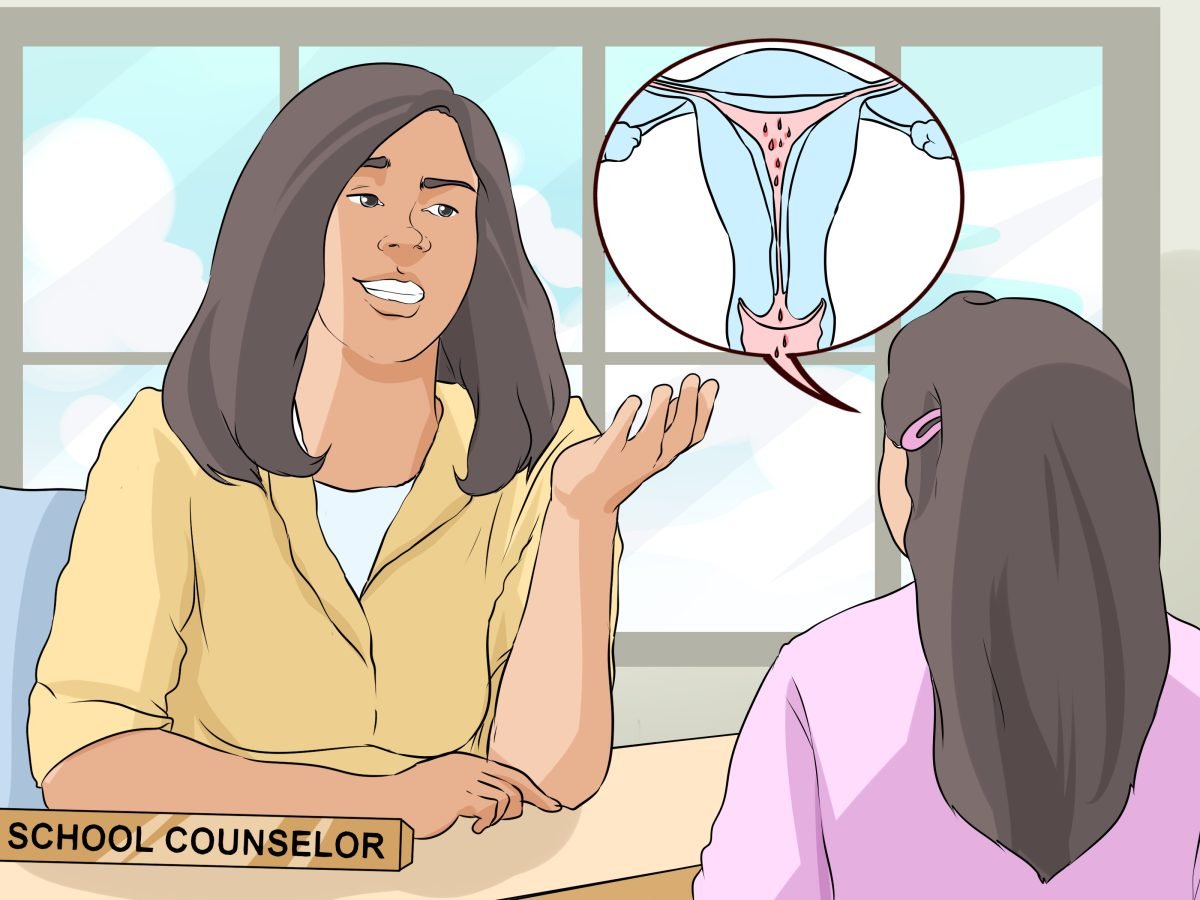
The first menstrual period is called menarche. Most girls get their first period between the ages of 11 and 14.

A period is considered early if it starts before the age of 9 years.


Is Early Period Normal in Girls?

Yes — in many cases, early periods are normal and part of natural body development.

Over the last few decades, doctors worldwide have observed that girls are starting puberty earlier than before. Factors like nutrition, body weight, environment, and genetics all play a role.

However, very early periods (before age 8) may need medical evaluation.


Common Reasons for Early Periods in Girls

  • Genetics (early periods in mother or sisters)
  • Higher body weight or obesity
  • Hormonal changes
  • Improved nutrition
  • Exposure to certain environmental factors

Signs That Periods May Start Early

  • Breast development
  • Growth of pubic or underarm hair
  • Sudden height growth
  • White or yellow vaginal discharge
  • Mood changes or irritability

These signs may appear months or even years before the first period.


When Should Parents Be Concerned?

Parents should consult a gynecologist if:

  • Periods start before age 8
  • Periods are very heavy or painful
  • There is rapid physical development
  • The child shows emotional distress
  • Periods are irregular for many months

How Can Parents Support Their Daughter?

  • Talk openly and calmly about periods
  • Explain that menstruation is normal
  • Teach proper menstrual hygiene
  • Encourage a balanced diet and physical activity
  • Reassure your child emotionally

Do Early Periods Affect Future Height or Fertility?

In most cases, early periods do not affect fertility.

However, very early puberty may slightly reduce final adult height due to early bone maturation. A doctor can guide parents if monitoring is required.


Patients Visiting Us from Nearby Cities

Parents often consult us for adolescent gynecology concerns from nearby locations, including:


Frequently Asked Questions

Is it normal to get periods at 9 or 10 years?

Yes. Periods at 9 or 10 years can be normal, especially if there is a family history of early puberty.

Should early periods be treated?

Most early periods do not need treatment. Medical evaluation is required only if puberty is very early or progressing rapidly.

Can stress cause early periods?

Stress alone usually does not cause early periods, but it can influence hormonal balance.


Early periods can be confusing for both parents and children. Understanding what is normal and knowing when to seek medical advice helps ensure physical and emotional well-being.

Categories
Women’s Wellness

When Should You See a Gynecologist? Complete Women’s Guide

When Should You See a Gynecologist? A Complete Women’s Health Guide

Many women are unsure about when they should see a gynecologist. Some wait until pregnancy, while others delay visits even when symptoms appear.

Regular gynecologist visits are essential for preventive care, early diagnosis, and maintaining long-term reproductive and hormonal health. This guide explains when to see a gynecologist, based on age, symptoms, life stages, and common women’s health concerns.


What Does a Gynecologist Do?

A gynecologist is a doctor who specializes in women’s reproductive health. Gynecologists diagnose and treat conditions related to menstruation, pregnancy, fertility, hormones, and reproductive organs.

Routine gynecology checkups help detect problems early, often before symptoms become severe.


When Should You First Visit a Gynecologist?

Most medical guidelines recommend a first gynecologist visit between the ages of 13 and 15, or earlier if symptoms appear.

Reasons for an early visit include:

  • Irregular or painful periods
  • Heavy menstrual bleeding
  • Delayed puberty
  • Vaginal discharge or itching
  • Concerns about body changes

The first visit often focuses on education and reassurance rather than internal examination.


Age-Wise Guide: When to See a Gynecologist

Teenage Years (13–19)

  • Irregular or missed periods
  • Severe period pain
  • Hormonal concerns
  • Menstrual hygiene guidance

20s and 30s

  • Annual gynecology checkups
  • Contraception advice
  • PCOS or hormonal imbalance
  • Pre-pregnancy counseling
  • Fertility concerns

During Pregnancy

  • Antenatal checkups
  • Ultrasound monitoring
  • High-risk pregnancy care

40s and Above

  • Menopause symptoms
  • Abnormal bleeding
  • Pelvic pain
  • Preventive cancer screening

Symptoms That Mean You Should See a Gynecologist Immediately

  • Irregular or missed periods
  • Very heavy menstrual bleeding
  • Bleeding between periods
  • Pelvic or lower abdominal pain
  • Unusual vaginal discharge or odor
  • Pain during intercourse
  • Bleeding after menopause

These symptoms should never be ignored, as early evaluation leads to better outcomes.


When to See a Gynecologist for Pregnancy & Fertility

You should consult a gynecologist if:

  • You are planning pregnancy
  • You have been trying to conceive for over 12 months (or 6 months if over 35)
  • You have PCOS or thyroid issues
  • You have experienced miscarriages

Early fertility evaluation can prevent delays and improve treatment success.


How Often Should You Visit a Gynecologist?

  • Once a year for routine checkups
  • More frequently during pregnancy
  • Whenever symptoms appear

Even if you feel healthy, annual visits help with prevention and early detection.


Patients Visiting Us from Nearby Cities

Women regularly consult us from multiple locations for gynecology, fertility, and pregnancy care, including:


Frequently Asked Questions

Is it necessary to see a gynecologist if I have no symptoms?

Yes. Routine gynecology checkups help prevent and detect issues early, even without symptoms.

How do I prepare for my first gynecologist visit?

Note your menstrual history, symptoms, and any medications you take. Avoid scheduling during heavy bleeding if possible.

When should I see a gynecologist for irregular periods?

If periods are irregular for more than three cycles, medical evaluation is recommended.

Can I consult a gynecologist before planning pregnancy?

Yes. Pre-conception counseling improves pregnancy outcomes and helps identify potential risks early.


Regular gynecologist visits are an investment in long-term health. If you have concerns or symptoms, early consultation ensures better care and peace of mind.

Categories
Infertility Insights

Role of a Gynecologist: When to See One & What to Expect (2026)


Role of a Gynecologist: When to See One & What to Expect (2026)

Role of a Gynecologist: Complete Women’s Health Guide (2026)

6-minute read · Medically reviewed · Updated January 2026

A gynecologist is a doctor who looks after a woman’s reproductive health. In simple terms, a gynecologist helps with periods, hormones, pregnancy, fertility, and menopause. As a result, women of all ages benefit from regular gynecological care.

This guide is written and medically reviewed by Dr. Nitasha Gupta, Gynecologist and IVF Specialist at La Bella – Women’s Health & IVF Centre. She provides trusted care to patients across Chandigarh, Panchkula, Mohali, Zirakpur, and Dera Bassi.


Key Facts About Gynecologists

  • Gynecologists treat period problems, hormonal issues, pregnancy, and menopause
  • Women should plan a routine gynecologist visit at least once a year
  • Early consultation helps prevent PCOS, anemia, and fertility problems
  • Doctors always perform pelvic exams only after taking your consent

What Is a Gynecologist?

A gynecologist is a specialist who focuses on the uterus, ovaries, cervix, vagina, and breasts. In addition, many gynecologists also work as obstetricians. Therefore, they manage pregnancy, delivery, and post-pregnancy care as well.

According to international health guidelines, regular gynecological check-ups help detect health problems early. Because of this, women who visit a gynecologist regularly often enjoy better long-term health.


When Should You See a Gynecologist?

You should book an appointment with a gynecologist if you notice any of the following:

  • Irregular, heavy, or painful periods
  • Missed periods or early periods in teenage girls
  • Symptoms of PCOS such as acne, weight gain, or facial hair
  • Difficulty in getting pregnant
  • Frequent vaginal infections or unusual discharge
  • Lower abdominal pain or abnormal bleeding
  • Menopause symptoms like hot flashes or mood changes

2026 insight: Today, many young women search online for “is my period normal” or “hormones feel off.” Because of this trend, early gynecologist visits are becoming more common and highly recommended.


What Happens During a Gynecologist Appointment?

During your visit, your gynecologist will usually:

  1. Discuss your medical and menstrual history
  2. Ask about stress, sleep, diet, and lifestyle
  3. Check family history related to diabetes or hormonal problems
  4. Suggest blood tests or ultrasound only if needed

If required, the doctor may suggest a pelvic exam. However, the doctor will always explain the process clearly and proceed only after your approval.


Questions You Can Ask Your Gynecologist

  • Are my periods healthy for my age?
  • Do my symptoms suggest a hormone imbalance or PCOS?
  • What lifestyle changes can improve my condition?
  • When is the right time to plan pregnancy?
  • Is this treatment necessary right now?

How to Find a Trusted Gynecologist Near You

To choose the right gynecologist, look for experience, clear communication, and ethical treatment practices. Most importantly, select a doctor who focuses on long-term health rather than quick solutions.

Dr. Nitasha Gupta is known for patient-focused and evidence-based gynecological care in the Tricity region.

Book an Appointment with Dr. Nitasha Gupta

⭐ Read verified Google reviews from real patients:

View Patient Reviews

More Google Reviews


Do You Need a Referral to See a Gynecologist in India?

In India, you do not need a referral. Therefore, you can directly consult a gynecologist at a private clinic.


Frequently Asked Questions (FAQs)

At what age should a girl see a gynecologist?

A girl can visit a gynecologist anytime after her first period if she faces discomfort or irregular cycles.

Is a pelvic exam painful?

No. While it may feel slightly uncomfortable, it should not cause pain.

How often should I visit a gynecologist?

Ideally, once a year or earlier if you notice symptoms.

Can stress delay periods?

Yes. Stress can affect hormones and delay periods.

Last medically reviewed: January 2026


Categories
Women’s Wellness

What to Do Before First Period | Complete Guide for Parents & Girls

What to Do Before First Period: Complete Guide for Parents & Girls

The first period—also known as menarche—is an important milestone in a girl’s life. Knowing what to do before first period helps parents prepare their daughter physically, emotionally, and mentally, preventing fear and confusion.

This doctor-reviewed guide by Dr. Nitasha Gupta, Consultant Gynecologist, explains early puberty signs, first period preparation, hygiene education, and when medical advice is needed.

Quick reassurance: Every girl’s body develops at its own pace. There is no “perfect age” for the first period.

At What Age Do Girls Usually Get Their First Period?

Most girls get their first period between 9 and 14 years. Timing depends on genetics, nutrition, body weight, overall health, and environmental factors.

Early or late periods are often normal, but extremes may require medical evaluation.


Early Signs That First Period Is Coming Soon

  • Breast development (usually 1–2 years before periods)
  • White or pale yellow vaginal discharge
  • Sudden increase in height (growth spurt)
  • Underarm and pubic hair growth
  • Body odor, oily skin, or mild acne
  • Mood swings or emotional sensitivity

These puberty signs indicate that menstruation may begin within months.


What Parents Should Do Before First Period

  • Start conversations early – Explain periods before they happen
  • Normalize menstruation – Avoid fear, secrecy, or shame
  • Teach hygiene basics – Pads, changing frequency, disposal
  • Prepare a school emergency kit – Pad, underwear, wipes
  • Reassure emotional changes – Mood swings are normal

What Girls Should Know Before Their First Period

  • Periods are a normal part of growing up
  • Bleeding usually lasts 3–7 days
  • Mild cramps or back pain can occur
  • Bathing, school, and sports are safe
  • Periods do not mean illness or weakness

Common Concerns Parents Ask

Will periods be regular from the start?

No. Irregular cycles are common during the first 1–2 years.

Is heavy bleeding normal in first periods?

Flow can vary, but soaking pads every hour is not normal and needs medical advice.


When Should Parents Consult a Doctor?

  • No period by age 15
  • Periods before age 8
  • Severe pain affecting school life
  • Very heavy or prolonged bleeding

Early medical guidance helps prevent future menstrual and hormonal problems.


Related & Most Searched Guides


Trusted Medical Sources

Need expert guidance?
If you’re concerned about early puberty, delayed periods, or menstrual pain, book a consultation with Dr. Nitasha Gupta for personalized advice.

Frequently Asked Questions

Is it normal to feel scared before first period?

Yes. Fear usually comes from lack of information. Education and reassurance help greatly.

Should girls see a gynecologist before first period?

Not routinely, unless there are signs of early puberty or health concerns.

Can stress delay first periods?

Yes. Emotional stress, illness, or undernutrition can delay menstruation.

Categories
Women’s Wellness

Early Pregnancy Symptoms Checklist (Week 1–6) | Dr Nitasha Gupta

Early Pregnancy Symptoms Checklist: How to Know If You’re Pregnant

Am I pregnant? This is one of the most searched women’s health questions worldwide. An early pregnancy symptoms checklist helps identify the first physical and hormonal changes that may occur after conception.

Some women experience symptoms even before a missed period, while others feel nothing at all. Both are completely normal. This guide is medically reviewed by Dr. Nitasha Gupta, Consultant Gynecologist & IVF Specialist.

Important: Symptoms alone cannot confirm pregnancy. A pregnancy test or medical evaluation is required.

Most Common Early Pregnancy Symptoms

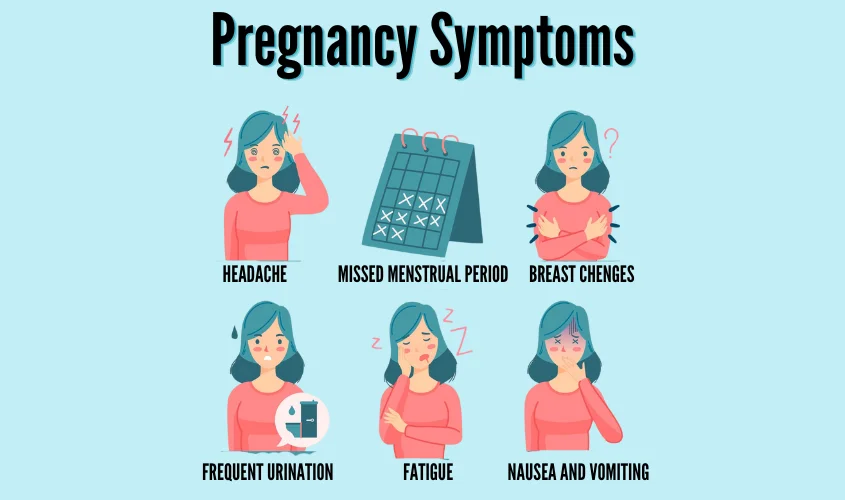
  • Missed period – The most common sign, though stress, PCOS, thyroid issues, or weight changes can also delay periods.
  • Frequent urination – Increased blood volume makes kidneys work harder.
  • Extreme fatigue – Progesterone rise causes unusual tiredness.
  • Morning sickness – Nausea or vomiting that can occur any time of day.
  • Tender or swollen breasts – Hormonal changes affect breast tissue early.

Less Common Signs of Early Pregnancy

  • Implantation bleeding – Light spotting 7–10 days after conception.
  • Food cravings or aversions
  • Metallic taste in mouth
  • Headaches or dizziness
  • Mild cramping (never severe or one-sided)
  • Mood swings
  • Nasal congestion
  • Bloating and gas
  • Acne or skin changes

How Early Do Pregnancy Symptoms Start?

Symptoms may begin as early as 5–7 days after conception, even before a missed period. Timing varies between individuals and pregnancies.


Can You Feel Pregnant Before a Missed Period?

Yes. Many women report fatigue, nausea, or breast tenderness before their period is due. However, these symptoms can mimic PMS.


How to Confirm Pregnancy

  • Home urine pregnancy test (after missed period)
  • Blood test (hCG) – earlier & more accurate
  • Ultrasound confirmation

When Should You Visit a Gynecologist?

  • Positive pregnancy test
  • Heavy bleeding or severe pain
  • History of miscarriage or infertility
  • Conditions like PCOS, diabetes, thyroid disorders, hypertension

Pregnancy & Gynecology Care in Panchkula, Zirakpur, Dhakoli & Chandigarh

Dr. Nitasha Gupta provides evidence-based pregnancy and gynecology care for women in Panchkula, Zirakpur, Dhakoli, Chandigarh and nearby regions, including international patients.

Need expert guidance?
Book a consultation with Dr. Nitasha Gupta for pregnancy care, IVF guidance, and women’s health support.

Related Women’s Health Reads


Trusted Medical Sources


Frequently Asked Questions

Can pregnancy symptoms appear without a missed period?

Yes. Hormonal changes can cause symptoms before periods are delayed.

Are pregnancy symptoms the same for everyone?

No. Each pregnancy is different.

Can PMS feel like pregnancy?

Yes. This is why medical confirmation is essential.

How accurate are home pregnancy tests?

Over 99% accurate when used correctly after a missed period.

Categories
Infertility Insights

Irregular Periods: When to Worry & When It’s Normal | Dr Nitasha Gupta


Irregular Periods When to Worry and When It's Normal - Dr Nitasha Gupta

Irregular Periods: When to Worry & When It’s Normal

Clinically reviewed by: Dr. Nitasha Gupta – Consultant Gynecologist, IVF & Women’s Health Specialist

Menstrual cycles are a vital sign of a woman’s hormonal and reproductive health. While most women expect periods every 28 days, the truth is that normal menstrual cycles can range from 21 to 35 days. Occasional changes may be harmless — but persistent irregular periods can signal underlying medical conditions that need attention.

This comprehensive guide explains what irregular periods are, why they happen, when to worry, and when to consult a gynecologist, based on clinical experience and evidence-based medicine.

Contents

What Are Irregular Periods?

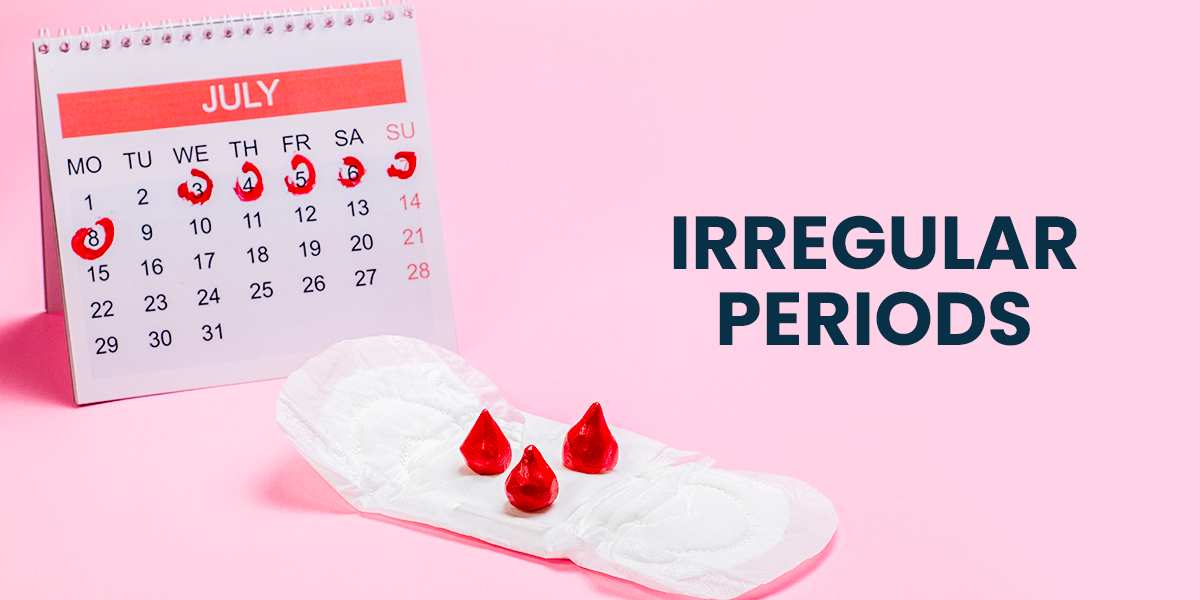
Irregular periods refer to menstrual cycles that vary significantly in timing, duration, or flow. While minor cycle variation is normal, persistent irregular menstruation may indicate hormonal imbalance, gynecological disorders, or metabolic issues.

Examples of Irregular Periods

  • Periods occurring less than 21 days or more than 35 days apart
  • Missing three or more periods in a row
  • Extremely heavy or very light menstrual bleeding
  • Periods lasting longer than seven days
  • Bleeding or spotting between periods or after intercourse
  • Severe pain, nausea, or vomiting during periods

Medical Conditions Associated With Irregular Periods

  • Amenorrhea: Absence of periods for 90 days or more
  • Oligomenorrhea: Infrequent menstrual cycles
  • Dysmenorrhea: Painful periods with severe cramps
  • Abnormal Uterine Bleeding

Conditions such as PCOS, endometriosis, thyroid disorders, and premature ovarian insufficiency are common causes of irregular periods.

Symptoms & Causes of Irregular Periods

Medical Causes

  • Polycystic Ovary Syndrome (PCOS)
  • Endometriosis
  • Pelvic Inflammatory Disease (PID)
  • Thyroid or pituitary gland disorders
  • Bleeding or clotting disorders
  • Uterine fibroids or ovarian cysts

Lifestyle & Hormonal Causes

  • Chronic stress
  • Rapid weight gain or weight loss
  • Excessive exercise or low body fat
  • Hormonal contraceptive use
  • Post-pregnancy or breastfeeding changes

Diagnosis and Tests

Diagnosing irregular periods requires a detailed menstrual history, physical examination, and targeted investigations.

  • Pelvic ultrasound
  • Hormonal blood tests
  • Endometrial biopsy
  • Hysteroscopy

Diagnosis and Tests

Diagnosing irregular periods requires a detailed menstrual history, physical examination, and targeted investigations.

  • Pelvic ultrasound
  • Hormonal blood tests
  • Endometrial biopsy
  • Hysteroscopy

Management and Treatment Options

Medical Treatment

  • Hormonal therapy or birth control pills
  • Tranexamic acid for heavy bleeding
  • Pain relievers (NSAIDs)
  • Antibiotics for infections

Surgical Options (If Required)

  • Endometrial ablation
  • Myomectomy
  • Uterine artery embolization
  • Hysterectomy (rare cases)

How to Reduce the Risk of Irregular Periods

  • Maintain a healthy weight
  • Manage stress effectively
  • Avoid extreme dieting or over-exercising
  • Follow contraceptive instructions carefully
  • Schedule regular gynecological check-ups

When Should You See a Gynecologist?

Consult a gynecologist immediately if you experience:

  • Severe pelvic pain
  • Heavy bleeding soaking pads every hour
  • Periods lasting longer than seven days
  • Bleeding after menopause
  • Missed periods for more than three months

Frequently Asked Questions

Is it normal to miss a period for two months?

Occasional missed periods may be due to stress or lifestyle changes, but missing three or more periods requires medical evaluation.

How much delay in periods is normal?

A variation of a few days is normal. Sudden or persistent changes should be checked by a gynecologist.

Can irregular periods affect fertility?

Yes. Irregular ovulation can make conception difficult. Early treatment improves fertility outcomes.

When are irregular periods most common?

They are common during adolescence and perimenopause.

Medical references:
Cleveland Clinic |
ACOG

If you’re experiencing irregular periods and want expert evaluation, book a consultation with
Dr. Nitasha Gupta, trusted gynecologist and fertility specialist.

Latest Blog

Know more about fertility and other fertility problems. We have the solution

FAQ Section

Read all the FAQ's and other general questions if you have.

Emergency Case

If you have an emergency call us or drop us an email, We will get back to you asap.

All Rights Reserved - Dr. Nitasha Gupta © 2025